Wearable Technology: Sensors and Connectivity in Fashion
Anúncios
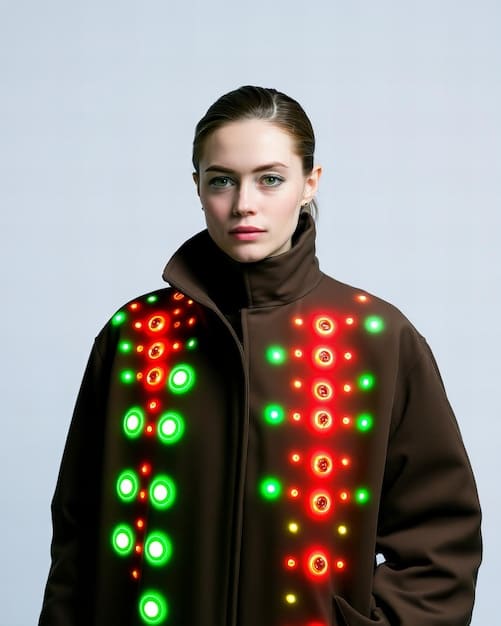
Wearable technology integrates sensors and connectivity into everyday clothing, transforming garments into smart devices capable of monitoring health, enhancing performance, and providing seamless interaction with the digital world.
Anúncios
The fashion industry is rapidly evolving, and one of the most exciting developments is the integration of wearable technology: integrating sensors and connectivity into everyday clothing. This fusion of fashion and technology promises to revolutionize how we interact with our garments and the world around us.
The Evolution of Wearable Technology in Fashion
Wearable technology has come a long way from simple fitness trackers. Today, it’s about seamlessly embedding technology into our clothing to enhance functionality and style. This evolution is driven by advancements in materials science, sensor technology, and wireless communication.
Anúncios
The initial forays into wearable tech were often clunky and impractical. However, as technology has miniaturized and become more energy-efficient, designers have found innovative ways to integrate it into garments without sacrificing aesthetics or comfort.
Early Innovations in Wearable Tech
The concept of wearable technology isn’t new. However, the recent surge in interest is driven by the convergence of several factors, including improved battery life, smaller sensors, and increased consumer demand for connected devices.
- Smartwatches: These were among the first mainstream wearable devices, offering notifications, fitness tracking, and communication features.
- Fitness Trackers: Devices like Fitbit and Jawbone helped popularize the idea of monitoring physical activity and sleep patterns.
- Smart Glasses: Google Glass, though not widely adopted, showcased the potential of augmented reality in everyday life.
These early innovations laid the groundwork for today’s more sophisticated wearable garments. By learning from the successes and failures of these devices, designers and engineers have been able to create more seamless and user-friendly wearable experiences.
In conclusion, the journey of wearable technology in fashion has been marked by significant advancements. From bulky prototypes to sleek, integrated designs, the evolution reflects a growing understanding of how technology can enhance our clothing and our lives.
Key Components of Wearable Clothing
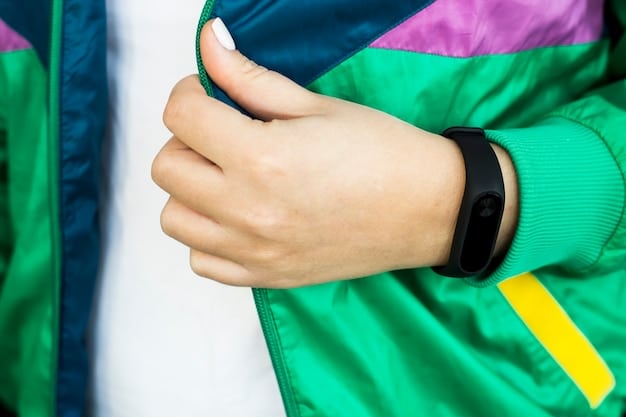
Creating functional and fashionable wearable clothing requires careful consideration of several key components. These include sensors, connectivity, power sources, and the materials used to integrate everything seamlessly.
Each component plays a crucial role in the overall performance and usability of the garment. Let’s explore these elements in detail.
Sensors and Monitoring
Sensors are the heart of wearable clothing, allowing garments to collect data about the wearer and their environment. The type of sensors used depends on the intended purpose of the clothing.
- Biometric Sensors: These sensors monitor vital signs like heart rate, body temperature, and respiration rate.
- Environmental Sensors: These sensors track data like air quality, UV exposure, and ambient temperature.
- Motion Sensors: Accelerometers and gyroscopes can detect movement, posture, and activity levels.
Connectivity and Data Transmission
Once data is collected, it needs to be transmitted to a device for processing and analysis. Connectivity options include Bluetooth, Wi-Fi, and cellular technology.
Bluetooth is commonly used for short-range communication with smartphones and other devices. Wi-Fi allows for broader network connectivity, while cellular technology enables wearables to communicate even without a nearby smartphone.
In summary, the seamless integration of sensors and connectivity transforms ordinary clothing into powerful tools for monitoring health, enhancing performance, and providing valuable insights into our daily lives.
Applications of Smart Textiles in Various Industries
Smart textiles, embedded with sensors and connectivity, are finding applications across a wide range of industries, from healthcare to sports and beyond. Their ability to collect and transmit data is transforming how we approach various tasks and challenges.
These textiles aren’t just about fashion; they offer practical solutions that improve efficiency, safety, and overall quality of life.

Healthcare and Wellness
In healthcare, smart textiles are used to monitor patients remotely, track vital signs, and provide personalized feedback. This technology can improve patient outcomes and reduce the burden on healthcare providers.
Smart clothing can also be used for rehabilitation, helping patients recover from injuries or surgeries by tracking their progress and providing real-time feedback.
Sports and Fitness
Athletes can benefit from smart textiles that monitor their performance, providing data on heart rate, muscle activity, and movement patterns. This information can be used to optimize training and prevent injuries.
Smart sportswear can also provide real-time feedback on technique, helping athletes improve their form and efficiency.
Military and Defense
The military is exploring the use of smart textiles for monitoring soldiers’ health and safety in the field, tracking location, and detecting environmental hazards.
Other Applications
- Automotive: Smart textiles embedded in car seats can monitor driver fatigue and alert them to take a break.
- Construction: Wearable sensors can track workers’ movements and detect potential safety hazards on construction sites.
- Fashion: Designers are experimenting with smart textiles that can change color, pattern, or shape in response to user input or environmental conditions.
Smart textiles have the potential to revolutionize industries by providing real-time data, improving efficiency, and enhancing safety. As the technology continues to develop, we can expect to see even more innovative applications emerge.
In conclusion, the versatility of smart textiles makes them a valuable tool across various industries. Their ability to seamlessly integrate technology into everyday clothing offers exciting possibilities for improving performance, safety, and overall quality of life.
Challenges and Considerations
Despite the exciting potential of wearable technology in fashion, several challenges and considerations need to be addressed to ensure its successful adoption. These include technical hurdles, ethical concerns, and practical considerations.
Overcoming these challenges will require collaboration between designers, engineers, and policymakers.
Technical Challenges
One of the main technical challenges is ensuring the durability and reliability of wearable technology. Garments need to be able to withstand the rigors of daily wear and tear, including washing and ironing.
Another challenge is power management. Wearable devices need to be energy-efficient to provide long battery life without adding excessive bulk or weight.
Ethical Considerations
Wearable technology raises ethical concerns about data privacy and security. Users need to be confident that their personal information is protected from unauthorized access and misuse.
There are also concerns about the potential for surveillance and discrimination. Wearable devices could be used to track individuals’ movements and behaviors, raising concerns about privacy and autonomy.
Practical Considerations
For wearable technology to be widely adopted, it needs to be affordable and accessible. High prices can be a barrier to entry for many consumers.
Wearable garments also need to be comfortable and easy to use. Complex interfaces and bulky designs can deter potential users.
Addressing these challenges and considerations is crucial for realizing the full potential of wearable technology in fashion. By prioritizing durability, privacy, affordability, and usability, we can ensure that wearable garments are a valuable and beneficial addition to our lives.
The Future of Wearable Technology in Clothing
The future of wearable technology in clothing looks promising, with advancements in materials science, sensor technology, and artificial intelligence driving innovation. We can expect to see even more seamless integration of technology into our garments, enhancing functionality and style.
Wearable clothing is poised to become an integral part of our daily lives, offering personalized experiences and valuable insights into our health, performance, and environment.
Advancements in Materials Science
New materials are being developed that are more flexible, durable, and conductive, making it easier to integrate technology into clothing without sacrificing comfort or aesthetics.
- Conductive Inks: These inks can be printed directly onto fabrics, creating flexible circuits that connect sensors and other components.
- Smart Fabrics: These fabrics can change color, shape, or texture in response to user input or environmental conditions.
- Energy-Harvesting Materials: These materials can convert ambient energy, such as sunlight or body heat, into electricity, powering wearable devices.
Integration with Artificial Intelligence
AI can analyze data collected by wearable sensors, providing personalized feedback and recommendations. For example, AI could analyze a user’s fitness data to create a customized workout plan or provide real-time feedback on their form.
AI can also be used to personalize the user experience, adjusting the functionality of wearable devices based on their individual needs and preferences.
In conclusion, the future of wearable technology in clothing is bright, with advancements in materials science, sensor technology, and artificial intelligence driving innovation. As technology continues to evolve, we can expect to see even more seamless integration of technology into our garments, enhancing functionality, style, and personalization.
How to Choose the Right Wearable Tech Clothing
Selecting the right wearable tech clothing can be a daunting task, given the wide range of options available. Consider your specific needs, intended use, and personal preferences when making your choice.
Also, consider your budget and the long-term cost of ownership, including maintenance, repairs, and data plans.
Identify Your Needs
Start by identifying your specific needs and intended use for wearable tech clothing. Are you looking to monitor your health, improve your athletic performance, or enhance your personal style?
Consider Comfort and Fit
Choose garments that are comfortable and fit well. Wearable technology should enhance your comfort and performance, not detract from it.
Check Battery Life
Consider the battery life of the wearable device and how it aligns with your typical usage patterns. Look for garments with long battery life or the ability to quickly recharge.
By carefully considering your needs, comfort, battery life, and data privacy, you can choose wearable tech clothing that meets your individual requirements and enhances your lifestyle.
| Key Point | Brief Description |
|---|---|
| 💡 Evolution of Wearable Tech | From clunky devices to seamless integration in clothing, driven by technology & design. |
| 🩺 Healthcare Applications | Remote monitoring, vital sign tracking, and personalized feedback for patients. |
| 🏃 Sports Enhancement | Performance monitoring, real-time feedback on technique, and injury prevention. |
| 🔒 Ethical Considerations | Data privacy, security, and the potential for surveillance and discrimination. |
FAQ
▼
Wearable technology integrates sensors, connectivity, and other technologies into clothing, transforming garments into intelligent devices that can monitor health, track performance, and provide various functionalities.
▼
Wearable tech tracks heart rate, muscle activity, and movement patterns, providing athletes with data to optimize training and prevent injuries. Real-time feedback helps improve technique and efficiency during workouts.
▼
Ethical concerns involve data privacy, security, and the potential misuse of personal information. Ensuring user data is protected from unauthorized access and used responsibly is crucial for ethical wearable tech.
▼
Affordability varies, with some options being expensive. However, prices are decreasing as technology advances. Consider the long-term cost of ownership, including maintenance and data plans, when evaluating affordability.
▼
Key components include sensors for data collection, connectivity for data transmission, a power source for operation, and materials that seamlessly integrate these elements into the garment, ensuring comfort and functionality.
Conclusion
Wearable technology: integrating sensors and connectivity into everyday clothing is revolutionizing the fashion industry and beyond, offering a wide range of applications from healthcare to sports. Overcoming challenges related to durability, ethics, and affordability will be crucial for its widespread adoption. However, the future looks promising, with ongoing advancements promising even more seamless and personalized experiences through our garments.