The Rise of Digital Fashion: Unveiling Opportunities and Challenges
Anúncios
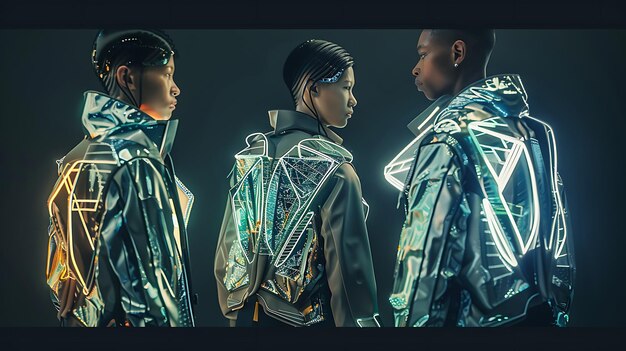
The rise of digital fashion presents a transformative shift in the industry, offering new avenues for creativity, sustainability, and personalized experiences, while simultaneously posing challenges related to technology adoption, intellectual property, and the digital divide.
Anúncios
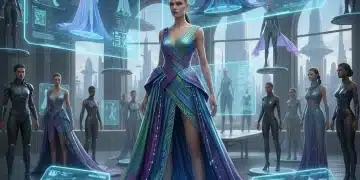
The fashion world is undergoing a digital revolution. The rise of digital fashion: exploring the opportunities and challenges of virtual clothing is no longer a futuristic concept but a tangible reality reshaping how we design, consume, and interact with fashion.
The Evolution of Fashion: From Physical to Digital
Digital fashion represents a paradigm shift from traditional clothing. It moves beyond the physical constraints of materials and manufacturing, paving the way for entirely new forms of self-expression and creativity.
Anúncios
This section explores the journey of fashion’s evolution, highlighting the key milestones that have led to the current digital landscape.
Early Digital Explorations in Fashion
The initial forays into digital fashion involved the use of computer-aided design (CAD) software to create and visualize clothing designs. This allowed designers to experiment with different styles and patterns virtually, reducing waste and accelerating the design process.
The Rise of Online Retail and E-Commerce
The advent of online retail and e-commerce platforms provided consumers with unprecedented access to a wide range of fashion products. Digital catalogs, virtual try-on tools, and personalized recommendations enhanced the online shopping experience.
- Virtual fashion shows gained traction with brands like Balenciaga showcasing their collections in video game format
- The creation of digital-only garments, purchased and ‘worn’ on social media, began to gain popularity, especially among Gen Z
- NFTs and blockchain technology were introduced as a way to authenticate and trade digital fashion items, adding exclusivity and scarcity
Digital fashion has transcended the limitations of physical production, offering a creative space that democratizes access to design and expression.

Opportunities in the Digital Fashion Realm
The digital fashion industry presents a wealth of opportunities for designers, brands, and consumers alike. These opportunities extend beyond mere aesthetic appeal, encompassing aspects of sustainability, inclusivity, and personalization.
This section explores the key opportunities that digital fashion offers, examining its potential to revolutionize the fashion landscape.
Sustainability and Ethical Production
Digital fashion offers a sustainable alternative to traditional manufacturing processes, reducing waste, water consumption, and carbon emissions. By creating virtual garments, designers can minimize the environmental impact associated with physical clothing production.
Personalization and Customization
Digital fashion enables consumers to personalize and customize their virtual wardrobes, tailoring garments to their unique preferences and body types. This level of personalization enhances the shopping experience and promotes self-expression.
- **Democratization of Design:** Digital tools empower independent designers and artists to create and sell their work directly to consumers, bypassing traditional intermediaries.
- **New Revenue Streams:** Brands can generate revenue through the sale of virtual clothing, accessories, and NFTs, reaching new audiences and expanding their brand presence in the metaverse.
- **Enhanced User Engagement:** Digital fashion experiences, such as virtual fashion shows and interactive try-on tools, can enhance user engagement and create a more immersive brand experience.
Digital fashion encourages inclusivity by making clothing accessible to diverse audiences regardless of physical limitations or cultural backgrounds.
Challenges Facing the Digital Fashion Industry
Despite its vast potential, the digital fashion industry also faces a number of challenges that need to be addressed. These challenges range from technical limitations to legal and ethical considerations.
This section delves into the key challenges that the digital fashion industry faces, exploring the hurdles that need to be overcome for its widespread adoption.
Technological Limitations and Interoperability
The digital fashion industry relies heavily on technology, but some technological limitations still exist. Interoperability issues between different platforms and virtual worlds can hinder the seamless integration of digital garments across various environments.
Intellectual Property and Ownership
Protecting intellectual property and ensuring ownership in the digital realm is a significant challenge. The ease with which digital assets can be copied and distributed raises concerns about copyright infringement and the unauthorized use of designs.

- **Digital Divide:** The digital divide can limit access to digital fashion for individuals and communities lacking the necessary technology and internet connectivity.
- **Consumer Adoption:** Overcoming consumer skepticism and encouraging widespread adoption of digital fashion requires education, awareness, and user-friendly interfaces.
- **Environmental Concerns:** The energy consumption associated with blockchain technology and NFT minting raises concerns about the environmental impact of digital fashion.
Addressing these challenges is crucial for fostering the long-term growth and sustainability of the digital fashion industry.
The Role of Technology in Digital Fashion
Technology is the backbone of the digital fashion industry, enabling the creation, distribution, and consumption of virtual garments. Advancements in areas such as 3D modeling, augmented reality (AR), and blockchain are shaping the future of digital fashion.
This section examines the crucial role that technology plays in digital fashion, exploring the technological advancements that are driving its evolution.
3D Modeling and Virtual Design Tools
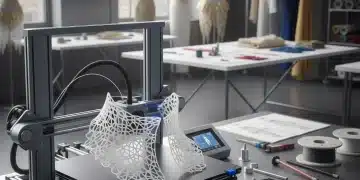
3D modeling software and virtual design tools allow designers to create intricate and realistic digital garments. These tools provide a virtual canvas for experimentation and innovation, enabling designers to push the boundaries of traditional fashion.
Augmented Reality (AR) and Virtual Try-On Experiences
AR technology enables consumers to virtually try on clothing and accessories using their smartphones or tablets. This enhances the online shopping experience and provides a more immersive and personalized way to interact with digital fashion.
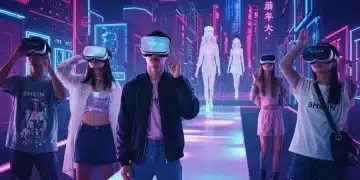
The metaverse provides a shared virtual space where users can interact with digital fashion, attend virtual fashion shows, and express their individuality through their avatars’ attire.
The Metaverse and Digital Fashion
The metaverse is rapidly emerging as a key platform. It is a space for digital fashion to thrive, offering immersive experiences and new avenues for self-expression.
Let us delve into How the metaverse is transforming the way we interact with fashion, fostering new forms of identity and community.
Immersive Experiences and Virtual Fashion Shows
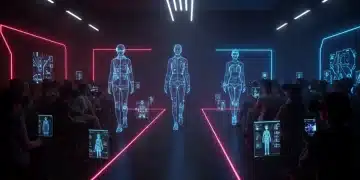
The metaverse provides opportunities for brands and designers to host virtual fashion shows. Thus creating captivating experiences that transcend the limitations of physical events.
Digital Identity and Self-Expression
Avatars in the metaverse provide users with opportunities to express themselves through fashion. Digital fashion allows users to customize their avatars’ apparel, reflecting their individuality and style.
- **Community Building:** The metaverse fosters communities around digital fashion, connecting designers, influencers, and enthusiasts to share ideas, collaborate, and create new trends.
- **Gamification and Rewards:** Gamified experiences and rewards systems can incentivize users to engage with digital fashion in the metaverse, driving adoption and brand loyalty.
- **Virtual Commerce:** The metaverse enables the buying, selling, and trading of digital fashion items, creating a virtual marketplace for designers and consumers.
The metaverse provides opportunities for brands and designers to foster communities and build strong relationships with their customers. By engaging with users in the metaverse, brands can create a sense of belonging and loyalty.
The Future of Digital Fashion: Trends and Projections
The future of digital fashion is bright, with trends indicating a growing convergence of the physical and virtual worlds. As technology continues to evolve, digital fashion will play an increasingly prominent role in the fashion industry.
This section explores the trends and projections that are shaping the future of digital fashion, examining the potential trajectories and transformations on the horizon.
The Rise of Phygital Fashion
Phygital fashion represents the seamless integration of physical and digital garments. Consumers may purchase a physical item and also receive its digital counterpart, which can be worn by their avatar in the metaverse. This creates a bridge between the physical and virtual worlds.
AI-Powered Design and Personalization
Artificial intelligence (AI) is poised to revolutionize the design process, enabling designers to create personalized garments based on individual preferences and body types. AI can also analyze fashion trends and predict future styles, assisting designers in creating innovative and relevant collections.
- **Sustainable Materials:** The development of sustainable digital materials, such as recycled code and biodegradable pixels, will further enhance the environmental credentials of digital fashion.
- **Accessibility and Inclusivity:** Digital fashion will continue to become more accessible and inclusive, catering to diverse audiences and promoting body positivity and self-expression.
- **Mainstream Adoption:** As technology becomes more user-friendly and consumers become more familiar with digital fashion, its adoption will continue to grow, eventually becoming a mainstream part of the fashion industry.
The future of digital fashion will become a more integrated and essential aspect of the fashion industry, creating opportunities for creativity, sustainability, and consumer engagement.
| Key Point | Brief Description |
|---|---|
| 👗 Digital Fashion | Virtual garments transforming the fashion industry. |
| 🌱 Sustainability | Reduces waste and environmental impact. |
| ✨ Metaverse | Virtual world enhancing digital fashion experiences. |
| 💻 Technology | Essential for design, distribution, and interaction. |
Frequently Asked Questions
▼
Digital fashion refers to virtual clothing and accessories that exist only in the digital realm. They can be worn by avatars in virtual worlds, used in augmented reality experiences, or displayed as digital art.
▼
By eliminating the need for physical production, digital fashion reduces waste, water consumption, and carbon emissions associated with traditional manufacturing, making it a more sustainable alternative.
▼
The metaverse provides a virtual space for users to interact with digital fashion, attend virtual fashion shows, express their individuality through their avatars’ attire, and participate in virtual commerce.
▼
Challenges include technological limitations, protecting intellectual property, bridging the digital divide, encouraging consumer adoption, and addressing environmental concerns related to blockchain technology.
▼
Future trends include the rise of phygital fashion, AI-powered design and personalization, sustainable digital materials, increased accessibility and inclusivity, and mainstream adoption of digital fashion.
Conclusion
The rise of digital fashion is revolutionizing the industry, offering unprecedented opportunities for creativity, sustainability, and personalization. While challenges remain, ongoing technological advancements and growing consumer interest suggest a bright future for digital fashion in the years to come.