Dress for Your Body: Seasonal Style Guide for Every Figure in the US
Anúncios
How to Dress for Your Body Type: A Seasonal Style Guide for Every Figure in the US offers a comprehensive overview for creating a seasonally-appropriate wardrobe that enhances your figure, empowering you to feel confident and stylish year-round.
Anúncios
Discover the perfect styles for every season and body type with our comprehensive guide, designed to empower your wardrobe choices and enhance your natural silhouette.
How to Dress for Your Body Type: Understanding Your Shape
Identifying your body shape is the crucial first step in building a wardrobe that truly flatters you. This knowledge allows you to select styles that accentuate your best features and create a balanced silhouette, regardless of the season.
Anúncios
Common Body Shapes
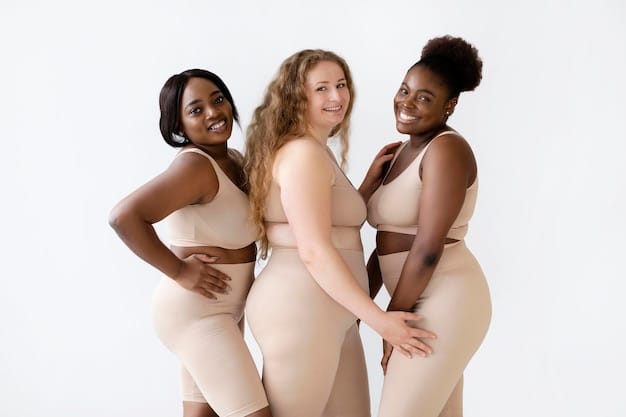
There are several common body shapes, each with unique characteristics. Understanding these will help you determine which one best fits your own form.
- Apple (or Round): Characterized by broader shoulders and a fuller midsection.
- Pear (or Triangle): Defined by wider hips and thighs compared to the upper body.
- Inverted Triangle: Features broader shoulders and a narrower lower body.
- Rectangle (or Straight): Possesses a similar width throughout the shoulders, waist, and hips.
- Hourglass: Defined by balanced shoulders and hips with a defined waist.
How to Measure Your Body Shape
To accurately determine your body shape, take measurements of your shoulders, bust, waist, and hips. Compare these measurements to identify your dominant shape.
- Shoulders: Measure around the broadest part of your shoulders.
- Bust: Measure around the fullest part of your bust.
- Waist: Measure around the narrowest part of your torso.
- Hips: Measure around the fullest part of your hips.
Once you have these measurements, you can compare them to the descriptions above to find the body shape that most closely matches yours. This forms the foundation for dressing in ways that complement your figure.
Understanding your body shape empowers you to make informed fashion choices that enhance your appearance and boost your confidence. In the following sections, we’ll explore how to use this knowledge to dress stylishly throughout the seasons.
Dressing for Summer: Light and Breezy Styles
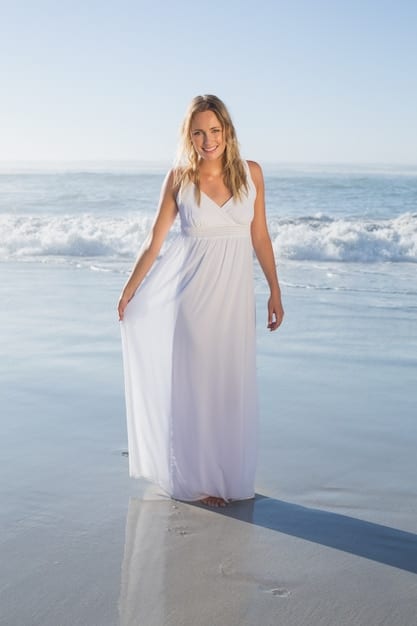
Summer’s heat calls for light, breathable fabrics and styles that keep you cool and comfortable while still looking chic. Embracing the season’s color palette and trends can enhance your summer wardrobe.
Summer Fabrics and Colors
Opt for fabrics like linen, cotton, and rayon that allow your skin to breathe. Light and bright colors, as well as floral and tropical prints, are perfect for capturing the essence of summer.
Recommended Styles for Different Body Shapes
Consider styles that accentuate your body shape while providing comfort in the heat. Here are a few recommendations:
- Apple: Empire waist dresses, A-line skirts paired with lightweight tops.
- Pear: Off-the-shoulder tops with high-waisted shorts or skirts.
- Inverted Triangle: Flowy bottoms like palazzo pants or wide-leg trousers, paired with simple tops.
- Rectangle: Bodycon dresses, belted jumpsuits to create a waistline.
- Hourglass: Wrap dresses, tailored shorts and tops that highlight your waist.
In conclusion, summer dressing is all about embracing comfort and style. Experiment with colors, prints, and silhouettes to discover what makes you feel most confident. Remember to prioritize breathable fabrics that will keep you cool and comfortable throughout the hottest days.
Autumn Outfits: Layering and Warm Tones
Autumn is the perfect time to experiment with layers, textures, and warm, earthy tones. Creating stylish outfits for fall involves balancing comfort and fashion while embracing the season’s rich color palette.
Key Pieces for an Autumn Wardrobe
Invest in versatile pieces that can be layered to create different looks. Some essential items include:
- Cardigans: A cozy cardigan is perfect for adding warmth and style to any outfit.
- Scarves: Lightweight scarves can add a pop of color and texture.
- Boots: Ankle boots or knee-high boots are both stylish and practical.
- Jackets: Leather jackets, denim jackets, or trench coats are great layering options.
Styling Tips for Autumn
Consider mixing textures and incorporating warm tones like burgundy, olive green, mustard yellow, and brown. Layering is key to staying comfortable as the weather changes.
- Pair a sweater with a skirt and tights.
- Layer a cardigan over a dress.
- Accessorize with a scarf and boots.
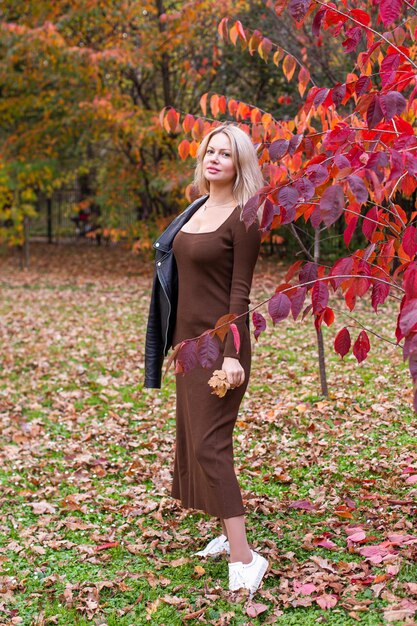
Autumn provides a wonderful opportunity to showcase your personal style through layering and color palettes. By incorporating key pieces like cardigans, scarves, and boots, you can create outfits that are both fashionable and functional, keeping you warm and stylish as the temperatures drop.
Winter Fashion: Staying Warm and Stylish
Winter dressing is all about staying warm without sacrificing style. Mastering the art of layering, choosing the right fabrics, and accessorizing effectively can help you create fashionable and functional winter outfits.
Fabrics for Winter Warmth
Opt for heavier fabrics like wool, cashmere, and fleece to provide insulation against the cold. Layering these materials will help trap heat and keep you comfortable.
Creating Winter Outfits
Building stylish winter outfits often involves combining practical considerations with fashion-forward choices. Focus on layering and accessorizing to stay warm and chic.
- Base Layers: Start with thermal underlayers to keep your body warm.
- Mid-Layers: Add sweaters, fleece jackets, or cardigans for additional insulation.
- Outer Layers: Choose a heavy coat or parka to protect against wind and snow.
Accessorizing is crucial in winter. Hats, gloves, and scarves not only add warmth but also enhance your overall look. Consider adding textured tights or leggings under skirts or dresses for extra warmth without compromising style.
In conclusion, winter fashion is about finding the right balance between warmth and style. By investing in quality fabrics, mastering the art of layering, and accessorizing thoughtfully, you can create winter outfits that are both fashionable and functional, ensuring you stay cozy and chic throughout the colder months.
Spring Styles: Embracing Fresh Colors and Florals
Spring is a time of renewal, and your wardrobe should reflect this with fresh colors, floral prints, and lighter fabrics. Embracing the season’s cheerful aesthetic can rejuvenate your style and boost your mood.
Colors and Patterns for Spring
Opt for pastel shades, bright florals, and lightweight fabrics that evoke the freshness of spring. Experimenting with these elements can add a playful touch to your wardrobe.
Tips for Transitioning Your Wardrobe
Transitional dressing involves incorporating spring elements while accounting for unpredictable weather. Layering lightweight pieces is key to staying comfortable and stylish.
- Pair a floral dress with a denim jacket.
- Layer a light cardigan over a spring blouse.
- Opt for transitional footwear like ballet flats or ankle boots.
Consider incorporating trendy accessories like colorful scarves or lightweight jewelry to elevate your spring outfits. Don’t be afraid to experiment with new styles and color combinations to discover what makes you feel most confident and stylish.
In conclusion, spring dressing is all about embracing freshness and vibrancy. By incorporating cheerful colors, floral patterns, and lightweight layers, you can create outfits that capture the essence of the season and reflect your personal style. Transitioning your wardrobe with these elements will ensure you’re prepared for any weather while looking effortlessly stylish.
Accessorizing for Your Body Type: The Finishing Touches
Accessories can significantly enhance your outfit and flatter your body type. Choosing the right accessories involves considering your proportions and selecting items that highlight your best features.
Choosing the Right Accessories
Selecting accessories that complement your body shape can elevate your style and create a balanced look. Here are some guidelines:
- Necklaces:
- Apple: Wear longer necklaces to elongate your torso.
- Pear: Opt for statement necklaces to draw attention upward.
- Inverted Triangle: Choose delicate necklaces to soften your upper body.
- Rectangle: Experiment with layered necklaces to add dimension.
- Hourglass: Wear necklaces that complement your neckline without overwhelming your figure.
- Belts:
- Apple: Use wide belts to create a waistline.
- Pear: Avoid belts that cinch at the hips; opt for belts at the natural waist.
- Inverted Triangle: Wear belts to balance your upper and lower body.
- Rectangle: Cinch your waist with a belt to create curves.
- Hourglass: Define your waist with a well-fitted belt.
Shoes can also play a crucial role in accentuating your body shape. Heeled shoes can elongate your legs, while flats provide comfort and a casual look. Consider the occasion and your personal style when selecting footwear.
Accessorizing is an art that involves understanding your body shape and selecting pieces that enhance your overall look. By choosing the right necklaces, belts, and shoes, you can create outfits that flatter your figure and reflect your personal style. Experiment with different accessories to discover what works best for you and elevate your fashion game.
| Key Point | Brief Description |
|---|---|
| 🍎 Understand Body Shape | Identify your shape (Apple, Pear, etc.) to dress accordingly. |
| ☀️ Summer Styles | Light fabrics and bright colors keep comfort and style in sync. |
| 🍂 Autumn Outfits | Focus on layering with warm, earthy tones and textures. |
| ❄️ Winter Fashion | Prioritize warmth with wool and cashmere, without losing style. |
FAQ
Measure your shoulders, bust, waist, and hips. Compare these measurements; if hips are wider than shoulders, you’re likely a pear shape. If shoulders are wider, you might be an inverted triangle.
Light and breathable fabrics like cotton, linen, and rayon are ideal for summer. They allow air to circulate, keeping you cool and comfortable in hot weather.
Start with a base layer like a long-sleeved shirt, add a mid-layer like a sweater or cardigan, and finish with an outer layer like a jacket or coat for warmth and style.
Hats, gloves, and scarves are essential. Choose materials like wool or fleece for added warmth. Accessorizing adds style while protecting you from the cold winter weather.
Pastel shades, bright florals, and light, fresh colors are perfect for spring. These colors reflect the season’s renewal and add a cheerful vibe to your wardrobe.
Conclusion
Dressing for your body type involves understanding your shape, selecting seasonally appropriate styles, and accessorizing thoughtfully. By following the tips and guidelines in this guide, you can create a wardrobe that enhances your natural beauty and empowers your confidence, no matter the season.