SHEIN’s Virtual Fashion Shows: Redefining Trend Discovery in 2026
Anúncios
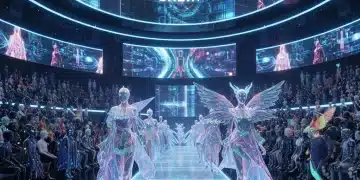
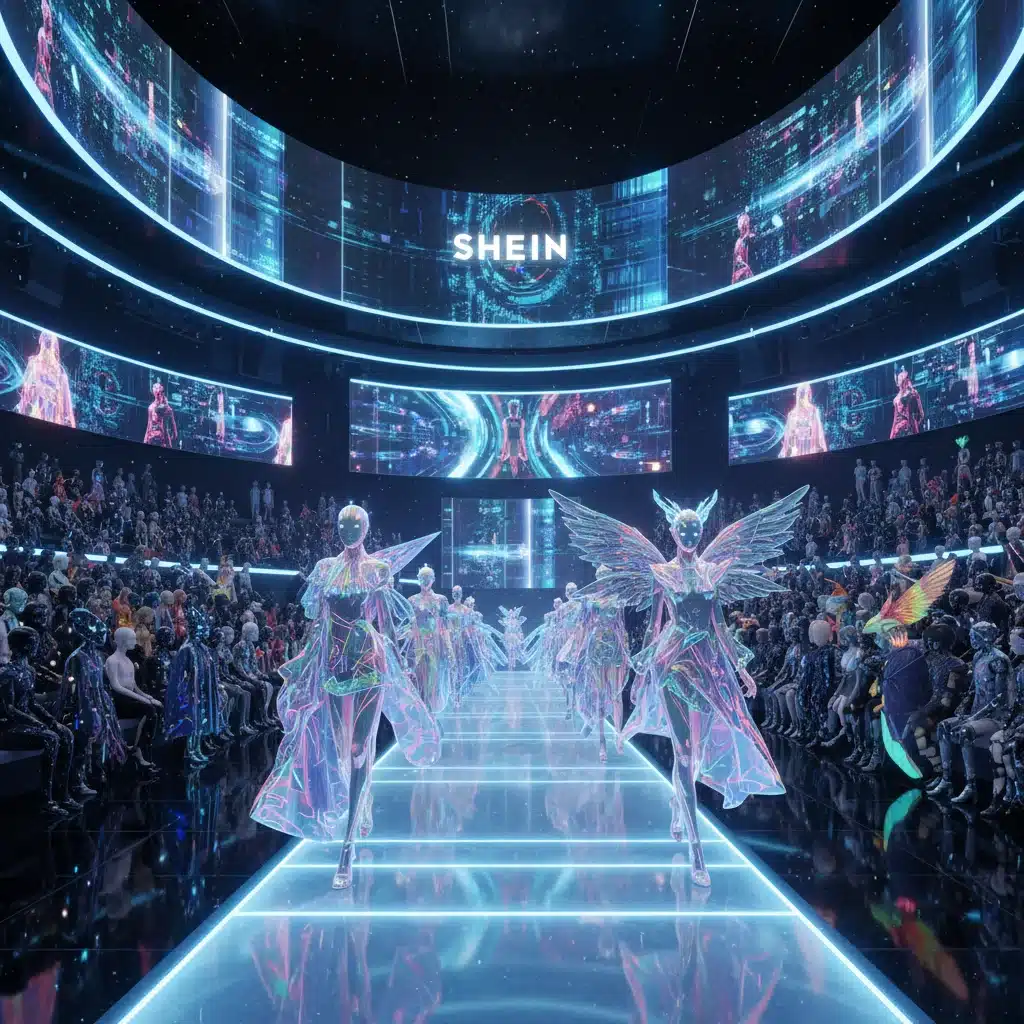
The fashion industry, a realm historically defined by exclusivity and brick-and-mortar experiences, is undergoing a seismic transformation. At the vanguard of this revolution is the rise of virtual fashion shows, a phenomenon epitomized by global e-commerce giant SHEIN. In 2026, SHEIN’s digital catwalks are projected to reach an astonishing 5 million viewers, fundamentally redefining how trends are discovered, consumed, and disseminated across the globe. This shift is not merely an adaptation to technological advancements; it is a strategic reimagining of fashion’s core tenets, pushing boundaries and democratizing access to the latest styles.
For decades, fashion shows were exclusive events, reserved for industry insiders, elite buyers, and a handful of celebrities. The runway, a hallowed ground of haute couture, dictated global trends from behind velvet ropes. However, the digital age, accelerated by global events, has shattered these traditional barriers. Suddenly, the need for innovative ways to showcase collections became paramount, and the internet provided the perfect canvas. SHEIN, known for its agile supply chain and trend-driven approach, quickly recognized the immense potential of virtual spaces. By leveraging cutting-edge technology, they have created immersive, accessible, and highly engaging experiences that resonate with a digitally native audience.
Anúncios
The impact of SHEIN’s virtual fashion shows extends far beyond mere viewership numbers. They represent a paradigm shift in trend discovery, making fashion more immediate, interactive, and inclusive than ever before. This article delves into the mechanics, implications, and future trajectory of SHEIN’s digital catwalks, exploring how they are not just mirroring the physical world but actively shaping a new digital fashion ecosystem.
The Genesis of Digital Catwalks: From Niche to Mainstream
Anúncios
The concept of virtual fashion shows isn’t entirely new, with early iterations experimenting with 3D models and rudimentary digital environments. However, the technological leap in recent years, coupled with increased internet penetration and the proliferation of sophisticated mobile devices, has propelled these digital spectacles into the mainstream. SHEIN, with its vast global reach and understanding of its young, tech-savvy demographic, was perfectly positioned to capitalize on this evolution.
Their early forays into virtual events were met with enthusiasm, demonstrating a clear appetite for digital fashion content that went beyond static images or pre-recorded videos. These shows offered a dynamic, interactive experience, often incorporating elements of gaming, live commentary, and direct-to-consumer shopping. The ability to watch a show from anywhere in the world, on any device, removed geographical and economic barriers, opening up the world of fashion to millions who were previously excluded.
The success of these initial ventures laid the groundwork for the more sophisticated productions we see today. By continuously iterating and investing in advanced graphics, animation, and streaming technologies, SHEIN has elevated the virtual fashion shows experience from a novelty to a highly anticipated event on the global fashion calendar. This evolution highlights a fundamental truth: digital platforms are not just alternative channels but powerful engines for innovation and engagement.
SHEIN’s Strategy: Blending Technology with Trend-Driven Content
SHEIN’s approach to virtual fashion shows is deeply rooted in its core business model: rapid trend identification and quick-to-market production. Their digital catwalks are not just about showcasing clothes; they are about creating a real-time feedback loop with their audience, gauging interest, and influencing purchasing decisions. This is achieved through several strategic elements:
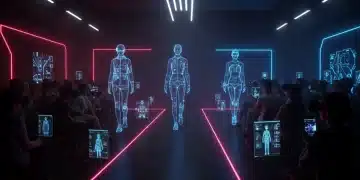
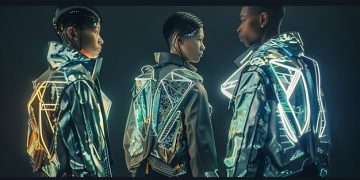
- Immersive Visuals and Production: SHEIN invests heavily in high-quality 3D rendering, motion capture, and virtual set design. This ensures that the digital garments look realistic and appealing, and the overall show environment is captivating. The production values often rival those of traditional physical shows, creating a sense of spectacle and excitement.
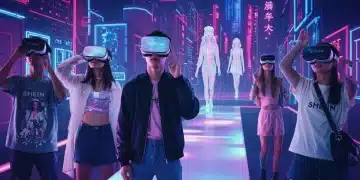
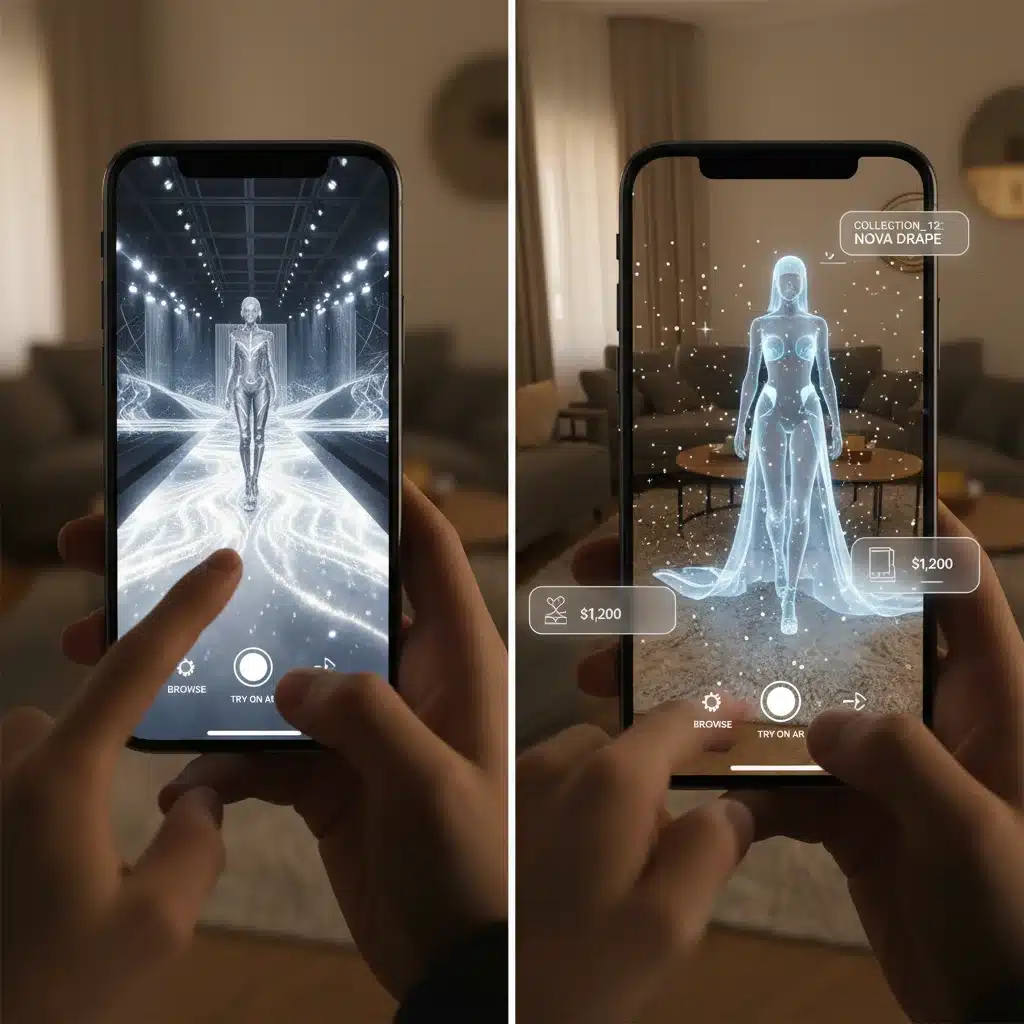
- Interactive Elements: Unlike passive viewing, SHEIN’s virtual shows often incorporate interactive features. Viewers can vote on their favorite looks, participate in live polls, chat with other audience members, and even directly click to purchase items featured on the runway. This interactivity transforms viewers into active participants, enhancing engagement and driving sales.
- Celebrity and Influencer Collaboration: SHEIN frequently partners with popular celebrities, musicians, and social media influencers to host or feature in their virtual events. These collaborations not only draw massive audiences but also lend credibility and aspirational value to the showcased collections. The influencers often provide commentary, behind-the-scenes glimpses, and styling tips, further enriching the viewer experience.
- Global Accessibility: By streaming globally across various platforms (their own app, YouTube, social media), SHEIN ensures maximum reach. The shows are often translated into multiple languages, catering to their diverse international customer base. This global accessibility is a cornerstone of their strategy, allowing millions to participate simultaneously.
- Data-Driven Insights: Every click, comment, and purchase during a virtual show generates valuable data. SHEIN meticulously analyzes this data to understand consumer preferences, identify emerging trends, and optimize future collections and marketing strategies. This data-driven approach is critical to their success in the fast-fashion landscape.
The synergy between cutting-edge technology and a deep understanding of consumer behavior is what makes SHEIN’s virtual fashion shows so effective. They are not just showcasing fashion; they are creating a dynamic, data-rich ecosystem that informs and drives their entire business.
Redefining Trend Discovery: A New Era of Fashion Influence
The traditional model of trend discovery often started with haute couture runways, trickling down to ready-to-wear, and eventually reaching mass markets. This process was slow, hierarchical, and often disconnected from the immediate desires of the broader consumer base. SHEIN’s virtual fashion shows disrupt this model entirely.
In 2026, the 5 million viewers tuning into SHEIN’s digital catwalks are not just passive observers; they are active trendsetters and trend validators. The sheer volume of engagement and immediate feedback allows for a much faster identification and amplification of emerging styles. If a particular garment or aesthetic resonates strongly with the virtual audience, SHEIN’s agile production capabilities mean it can be fast-tracked from concept to consumer in record time. This creates a more democratic and responsive trend cycle, where consumer preference plays a more direct role in shaping what becomes fashionable.
Furthermore, these shows democratize access to high-fashion experiences. A teenager in a remote village, previously limited to magazines or sporadic online articles, can now experience a front-row seat to a global fashion event. This exposure broadens horizons, inspires creativity, and fosters a more diverse understanding of style. The collective voice of millions of viewers, expressed through likes, shares, and purchases, becomes a powerful force in shaping global fashion narratives.
The Technical Backbone: Powering Immersive Experiences
The seamless execution of virtual fashion shows on such a grand scale requires a robust and sophisticated technical infrastructure. This includes:
- Advanced 3D Modeling and Animation: Creating realistic digital garments that drape and move naturally on virtual models is a complex process. It involves intricate 3D modeling, texture mapping, and cloth simulation software.
- Real-time Rendering Engines: To deliver a high-quality, live-streamed experience, powerful real-time rendering engines are crucial. These engines process vast amounts of graphical data almost instantaneously, ensuring smooth visuals and minimal latency.
- Cloud Computing and Content Delivery Networks (CDNs): Hosting and streaming content to millions of users simultaneously requires massive computational power and efficient distribution networks. Cloud platforms provide the scalability, while CDNs ensure that content is delivered quickly and reliably to viewers across different geographical locations.
- Interactive Platform Development: Building the interactive elements – live chat, polling, direct shopping links – necessitates sophisticated web and app development, often integrating with existing e-commerce systems.
- Data Analytics and AI: Machine learning algorithms are increasingly used to analyze viewer behavior, predict trends, and even personalize content during the shows. AI can help identify popular styles in real-time, allowing for dynamic adjustments to the show’s presentation or subsequent marketing efforts.
The continuous innovation in these technological domains is what will continue to push the boundaries of what’s possible in virtual fashion shows, making them even more realistic, interactive, and impactful.
Challenges and Opportunities in the Virtual Fashion Landscape
While the ascent of virtual fashion shows is undeniable, the path forward is not without its challenges. One primary concern is the environmental impact of data centers and energy consumption required for such large-scale digital productions. As virtual events become more prevalent, the industry will need to address these sustainability issues through energy-efficient technologies and renewable energy sources.
Another challenge lies in maintaining the ‘human touch’ and the tactile experience that traditional fashion shows offer. While digital garments can be incredibly realistic, they cannot replicate the feeling of fabric, the nuances of texture, or the tangible artistry of couture. Brands will need to find innovative ways to bridge this gap, perhaps through advanced haptic feedback technologies or integrated physical sampling programs.
However, the opportunities presented by virtual fashion shows far outweigh these challenges. They open up new avenues for creativity, allowing designers to experiment with gravity-defying garments, fantastical environments, and narratives that would be impossible in the physical world. They also offer a more sustainable alternative to traditional fashion weeks, reducing travel, waste, and resource consumption associated with physical events.
Furthermore, virtual shows are paving the way for the metaverse fashion economy. As virtual worlds become more sophisticated and interconnected, digital garments will gain intrinsic value, becoming assets that users can own, trade, and showcase on their avatars. SHEIN’s early success in virtual fashion shows positions them as a key player in this burgeoning digital economy.
The Future of Fashion: Hybrid Models and Metaverse Integration
Looking ahead, the future of fashion will likely be a hybrid model, seamlessly blending physical and digital experiences. Virtual fashion shows will continue to evolve, becoming more immersive, personalized, and integrated into broader digital ecosystems. We can anticipate:
- Personalized Virtual Experiences: AI and machine learning will enable highly personalized show experiences, where viewers see garments tailored to their preferences or even try on clothes virtually using augmented reality (AR) filters.
- Full Metaverse Integration: Fashion shows will increasingly take place within decentralized metaverse platforms, allowing avatars to attend, interact, and purchase digital wearables directly from the runway. This will foster new forms of community and expression around fashion.
- NFTs and Digital Ownership: Non-fungible tokens (NFTs) will play a significant role in authenticating and enabling the ownership of digital fashion items, creating a new market for unique virtual collectibles.
- Interactive Storytelling: Future shows will likely incorporate more gamified elements and interactive narratives, turning the viewing experience into an adventure where fashion is central to the story.
- Sustainability at the Forefront: As technology advances, virtual production will become even more energy-efficient, and the focus on sustainable digital fashion will intensify, aligning with global environmental goals.
SHEIN’s commitment to innovation in virtual fashion shows is a testament to the transformative power of technology in the fashion industry. By embracing digital catwalks, they are not only reaching millions of viewers but also actively shaping the future of trend discovery and consumer engagement. The 5 million viewers projected for 2026 are just the beginning of a much larger, more interconnected, and ultimately more accessible fashion world.
Conclusion: SHEIN’s Digital Legacy in Fashion
SHEIN’s journey with virtual fashion shows is a compelling case study in how a global e-commerce giant can leverage digital innovation to disrupt traditional industries. Their ability to attract and engage millions of viewers, as projected for 2026, underscores the immense potential of digital platforms to democratize fashion and accelerate trend cycles. By combining high-quality production, interactive features, and strategic collaborations, SHEIN has transformed the concept of a fashion show from an exclusive industry event into a global, accessible, and highly engaging consumer experience.
The implications of this shift are profound. Trend discovery is no longer dictated solely by a select few but is increasingly shaped by the collective voice of a vast, digitally connected audience. This democratization of fashion, coupled with the move towards more sustainable and immersive digital experiences, marks a new era for the industry. SHEIN is not just participating in this evolution; it is actively leading it, setting benchmarks for how brands can connect with consumers in the digital age. As we look to the future, the continued evolution of virtual fashion shows promises even more innovative ways to discover, consume, and celebrate fashion, ensuring that the digital catwalk remains a vibrant and essential component of the global style landscape.