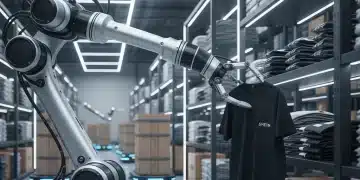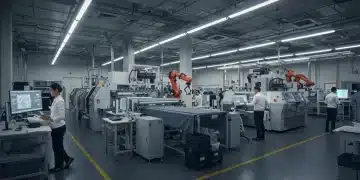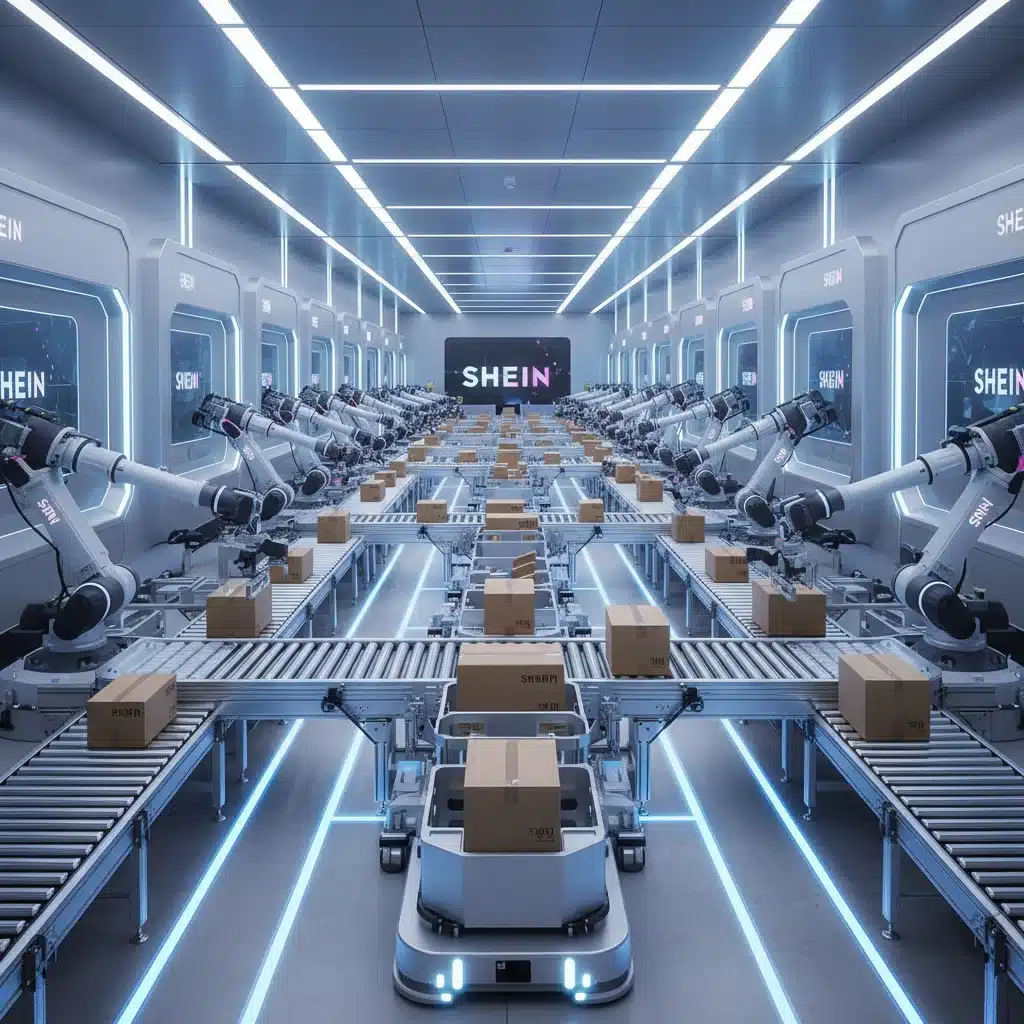
The e-commerce landscape is a battlefield where speed and efficiency reign supreme. In the fiercely competitive realm of fast fashion, one player is making waves not just with its trendy designs and aggressive pricing, but with a monumental leap in its logistical capabilities: SHEIN. The global online retailer has set an ambitious target: to achieve 2-day delivery for a staggering 90% of its US orders by late 2026. This isn’t merely a strategic goal; it’s a profound transformation driven by an unparalleled investment in SHEIN automated logistics and state-of-the-art robotics in warehousing. This article delves deep into the mechanics of this revolution, exploring how SHEIN plans to redefine customer expectations and solidify its market dominance through intelligent automation.
The Imperative of Speed: Why 2-Day Delivery Matters More Than Ever
In today’s instant gratification economy, delivery speed is often as crucial as product quality and price. For fast fashion, where trends emerge and fade with dizzying rapidity, a swift supply chain is not just an advantage; it’s an existential necessity. Consumers, particularly in the US, have grown accustomed to the expedited shipping offered by giants like Amazon, setting a high bar for all e-commerce players. SHEIN’s commitment to 2-day delivery for the vast majority of its US customer base is a direct response to this market demand, aiming to eliminate one of the few remaining friction points in its customer journey: wait times.
Anúncios
The implications of this accelerated delivery promise are far-reaching. Faster delivery reduces cart abandonment rates, boosts customer satisfaction, and fosters loyalty. It also allows SHEIN to respond more dynamically to rapidly changing fashion trends, getting new styles into customers’ hands almost as soon as they hit the digital storefront. This agility is a cornerstone of the fast fashion model, and by optimizing its SHEIN automated logistics, the company is sharpening its competitive edge dramatically.
Understanding the SHEIN Business Model and its Logistical Challenges
SHEIN operates on an ultra-fast fashion model, characterized by an enormous catalog, rapid product cycles, and direct-to-consumer sales. Unlike traditional retailers that produce collections months in advance, SHEIN leverages real-time trend data to design, manufacture, and ship new items in a matter of weeks, sometimes even days. This model generates immense logistical complexity:
- Vast SKU Count: Tens of thousands, if not hundreds of thousands, of unique product SKUs at any given time.
- High Order Volume: Millions of orders processed globally, each potentially containing multiple items from different suppliers.
- Global Sourcing: While production is primarily concentrated in China, delivery extends worldwide, necessitating complex international shipping networks.
- Individualized Packaging: Each order is typically picked, packed, and shipped individually, rather than in bulk.
Traditionally, such a model would be plagued by slow delivery times due to the sheer volume and complexity. SHEIN’s strategy to overcome these inherent challenges lies squarely in the realm of advanced automation and strategic infrastructure investment, making SHEIN automated logistics the backbone of its future growth.
The Core of the Revolution: SHEIN Automated Logistics Systems
At the heart of SHEIN’s audacious 2-day delivery goal is a sophisticated network of automated logistics systems. This isn’t just about adding a few robots; it’s a complete overhaul of their warehousing, sorting, and fulfillment processes. The company is heavily investing in establishing and expanding massive automated warehouses, particularly within key markets like the United States, to bring inventory closer to the end consumer.
Robotics in Warehousing: The Game Changer
Robotics plays a pivotal role in this transformation. Modern warehouses are no longer just vast spaces with shelves; they are intelligent ecosystems powered by:
- Autonomous Mobile Robots (AMRs): These robots navigate warehouse floors independently, transporting goods from storage to picking stations, or between different processing zones. They significantly reduce the need for manual labor in repetitive transport tasks, improving speed and accuracy.
- Automated Storage and Retrieval Systems (AS/RS): These systems use cranes or shuttles to automatically store and retrieve items from high-density storage racks. They optimize space utilization and retrieve items much faster than human operators can.
- Robotic Picking Arms: While still a developing technology, advanced robotic arms equipped with AI-powered vision systems are increasingly being used to pick individual items from bins, especially for smaller, lighter products typical of fast fashion.
- Automated Sortation Systems: High-speed conveyor belts and sortation machines automatically direct packages to the correct outbound shipping lanes, drastically speeding up the final stages of order fulfillment.
By integrating these technologies, SHEIN can process an unprecedented volume of orders with minimal human intervention, reducing errors, increasing throughput, and operating 24/7. This level of automation is critical for scaling operations to meet the demands of 90% 2-day delivery for US orders. The efficiency gained through these SHEIN automated logistics solutions is directly proportional to the reduction in delivery times.
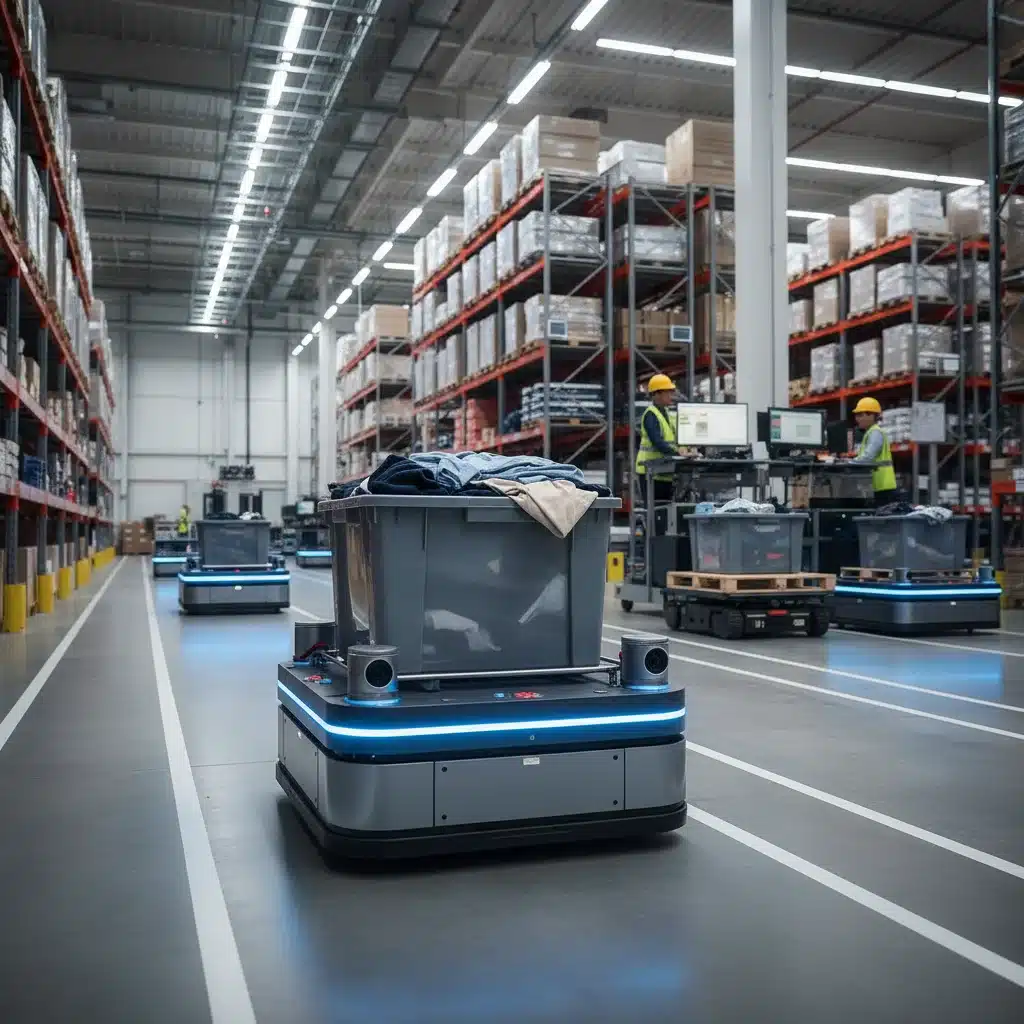
Strategic Infrastructure Investment: Bringing Warehouses Closer to Consumers
Beyond the technology itself, the physical location of these automated warehouses is paramount. SHEIN’s strategy includes a significant investment in establishing a robust network of distribution centers within the United States. This move is a departure from its previous model of primarily shipping internationally from China.
The Power of Domestic Fulfillment Centers
Having fulfillment centers within the US offers several critical advantages:
- Reduced Transit Times: The most obvious benefit. By storing popular inventory closer to US customers, shipping distances are drastically cut, making 2-day delivery a realistic goal.
- Lower Shipping Costs: Domestic shipping is generally more cost-effective than international air freight, especially when scaled.
- Improved Customs Clearance: Eliminates the complexities and potential delays associated with international customs processing for individual packages.
- Enhanced Inventory Management: Allows for more precise forecasting and replenishment tailored to the US market, reducing stockouts and overstocking.
- Better Return Processing: A local presence can streamline the returns process, improving customer satisfaction even further.
These strategically located, highly automated facilities are the physical manifestation of SHEIN’s commitment to its US customer base. Each new warehouse represents a critical node in the expanding SHEIN automated logistics network, designed to optimize every step from order placement to doorstep delivery.
The Role of Data and AI in SHEIN’s Logistics Ecosystem
Automation isn’t just about machines; it’s deeply intertwined with intelligent software and data analytics. SHEIN, a company built on data-driven insights for fashion trends, applies the same rigor to its logistics.
Predictive Analytics for Inventory and Demand
SHEIN leverages vast amounts of data to predict demand for specific products in different regions. This allows them to preposition inventory in the most appropriate US warehouses, ensuring that popular items are already close to where they will be ordered. AI algorithms analyze historical sales data, real-time website traffic, social media trends, and even external factors like weather patterns to refine these predictions. This proactive approach to inventory management is a cornerstone of efficient SHEIN automated logistics.
Optimized Routing and Workforce Management
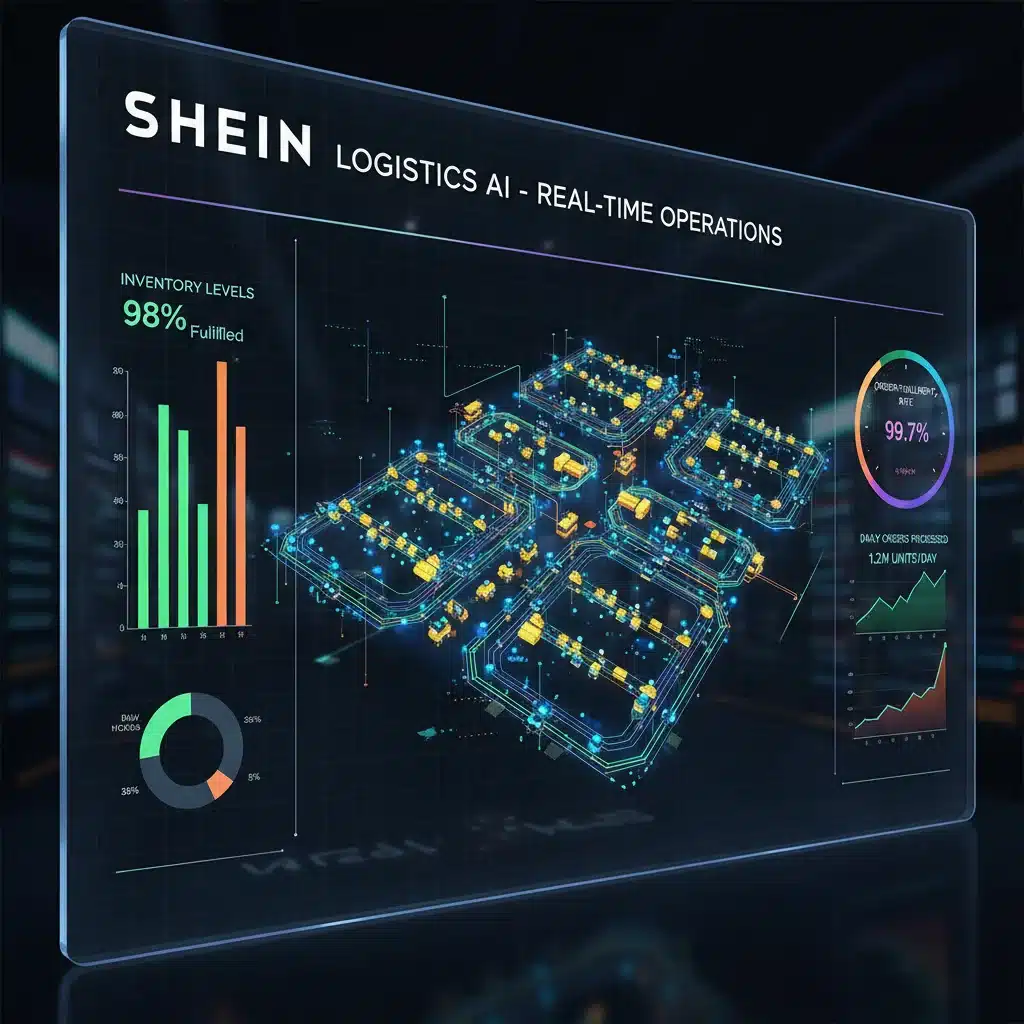
Within the warehouses, AI-powered systems optimize robot paths, orchestrate the movement of goods, and manage the flow of orders. This ensures that robots operate efficiently, avoiding collisions and minimizing idle time. For the human workforce, AI tools can help schedule shifts, allocate tasks, and identify bottlenecks, creating a seamless blend of human and machine collaboration. The entire logistical dance is choreographed by sophisticated algorithms, ensuring maximum throughput and minimal delays.
Impact on the Fast Fashion Industry and Consumer Expectations
SHEIN’s aggressive push for 2-day delivery through SHEIN automated logistics will undoubtedly send ripples through the entire e-commerce and fast fashion industries. Here’s why:
Raising the Bar for Competitors
If SHEIN successfully delivers on its promise, it will compel competitors to reassess their own logistical strategies. Other fast fashion retailers, often criticized for longer delivery times, will face increased pressure to match SHEIN’s speed. This could spark an industry-wide acceleration in automation adoption and infrastructure investment, ultimately benefiting consumers.
Shifting Consumer Expectations
As more retailers offer expedited shipping, consumer expectations for delivery speed will continue to rise. What was once considered fast (e.g., 5-7 business days) will become unacceptable, and 2-day or even next-day delivery will become the new standard. SHEIN is not just adapting to these expectations; it’s actively shaping them.
Sustainability Considerations
While automation boosts efficiency, the environmental impact of increased shipping and warehousing must also be considered. SHEIN’s challenge will be to balance speed with sustainability. Optimized routing, efficient warehouse operations, and potentially electric delivery vehicles could mitigate some of these concerns, but it remains a critical area of focus for the industry as a whole.
Challenges and Future Outlook for SHEIN’s Logistics
Achieving 2-day delivery for 90% of US orders by late 2026 is an ambitious goal, and SHEIN will undoubtedly face challenges along the way.
Scaling Automation and Integration
Implementing and integrating complex automated systems across multiple large-scale warehouses is a monumental undertaking. It requires significant capital investment, highly specialized technical expertise, and careful project management to ensure seamless operation. The interoperability of different robotic systems and software platforms will be crucial.
Workforce Adaptation
While automation reduces the need for certain types of manual labor, it creates demand for new skills, such as robot maintenance technicians, data analysts, and automation engineers. SHEIN will need to invest in training and upskilling its workforce to adapt to these new roles within its SHEIN automated logistics centers.
Supply Chain Resilience
A highly automated and optimized supply chain can be vulnerable to disruptions if not designed with resilience in mind. Geopolitical events, natural disasters, or even software glitches can have cascading effects. SHEIN will need robust contingency plans and redundant systems to ensure its 2-day delivery promise remains unbroken.
The Road Ahead
Despite these challenges, SHEIN’s trajectory suggests a strong commitment to its automation strategy. The company’s willingness to invest heavily in advanced technology and infrastructure positions it as a leader in e-commerce logistics. If successful, SHEIN’s model will serve as a blueprint for how fast fashion can meet the demands of a global, impatient consumer base. The synergy between its data-driven fashion production and its SHEIN automated logistics is creating a formidable, vertically integrated powerhouse.
Conclusion: A New Era for Fast Fashion Logistics
SHEIN’s ambitious goal of delivering 90% of US orders within two days by late 2026 is more than just a marketing promise; it’s a testament to the transformative power of robotics and automation in modern logistics. By strategically investing in automated warehouses, leveraging sophisticated AI and data analytics, and establishing a robust domestic fulfillment network, SHEIN is not only optimizing its own operations but also setting new benchmarks for the entire fast fashion industry. The era of slow, unpredictable e-commerce delivery is rapidly fading, replaced by a future where speed, efficiency, and customer satisfaction are driven by intelligent machines and seamless SHEIN automated logistics. As consumers increasingly demand instant gratification, SHEIN’s robotic revolution positions it to capture an even larger share of the market, solidifying its status as a true innovator in global retail.