SHEIN’s Metaverse Entry: Digital Fashion Assets & New Revenue Streams
Anúncios
SHEIN’s Metaverse Marketplace: Unlocking Millions with Digital Fashion Assets by 2026
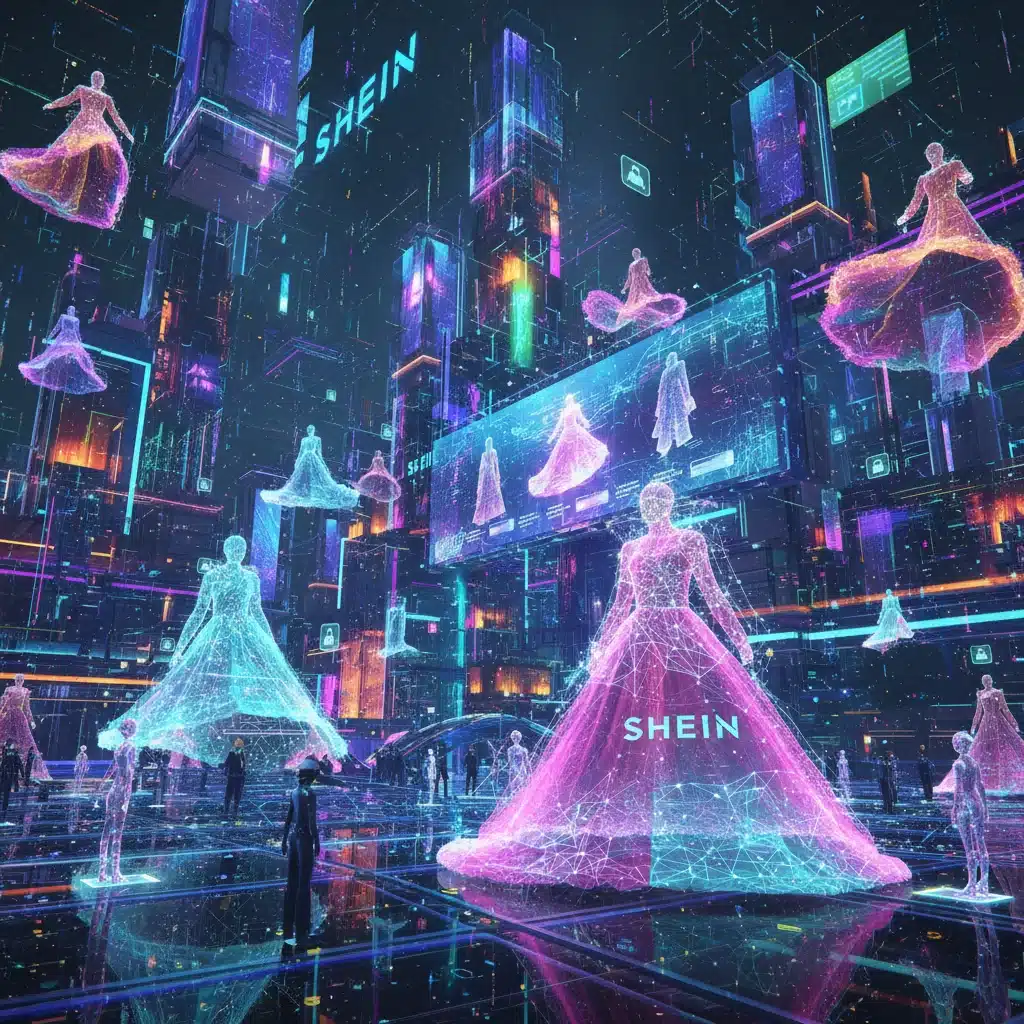
The global fashion industry is on the cusp of a revolutionary transformation, and leading the charge into the digital frontier is fast-fashion giant SHEIN. With an ambitious plan to enter the metaverse marketplace by 2026, SHEIN is poised to redefine its business model, tap into unprecedented revenue streams, and solidify its position at the forefront of retail innovation. This strategic move, centered around the creation and monetization of digital fashion assets, is not merely an expansion but a visionary leap that promises to unlock millions, if not billions, in new economic value. The concept of SHEIN Metaverse Fashion is no longer a distant dream but a rapidly approaching reality, set to reshape consumer engagement and brand loyalty in the virtual realm.
Anúncios
The Dawn of Digital Fashion: Why SHEIN is Pivoting to the Metaverse
The metaverse, a persistent, interconnected set of virtual spaces, represents the next iteration of the internet. It’s a realm where users can interact, socialize, work, and, crucially for brands like SHEIN, consume. Digital fashion, an integral component of this new reality, refers to clothing and accessories designed specifically for virtual avatars and environments. This burgeoning market offers immense potential, free from the constraints of physical production, logistics, and material waste. For a company like SHEIN, known for its rapid production cycles and trend-driven collections, the metaverse presents a natural evolution and a strategic imperative.
SHEIN’s decision to embrace SHEIN Metaverse Fashion is driven by several compelling factors. Firstly, it aligns perfectly with the brand’s core demographic: a digitally native, trend-conscious younger generation that spends significant time in online spaces. These consumers are already accustomed to purchasing virtual goods, from gaming skins to social media filters, making digital fashion a logical next step. Secondly, the metaverse offers an unparalleled opportunity for creative expression and experimentation. Designers can push the boundaries of design without the limitations of physical materials, creating fantastical garments that would be impossible or impractical in the real world. This freedom can foster innovation and differentiate SHEIN from its competitors.
Anúncios
Moreover, the environmental impact of fast fashion has long been a point of contention. Digital fashion, by its very nature, significantly reduces the carbon footprint associated with manufacturing, transportation, and disposal of physical garments. While not a complete replacement for physical clothing, a robust digital fashion strategy allows SHEIN to explore more sustainable business practices and enhance its corporate social responsibility profile. This dual benefit of catering to consumer desires for novelty and addressing environmental concerns positions SHEIN favorably for future growth and public perception.
Understanding Digital Fashion Assets: More Than Just Pixels
When we talk about digital fashion assets, we’re not just referring to images or simple 3D models. These are often unique, verifiable, and tradable items, frequently underpinned by blockchain technology as Non-Fungible Tokens (NFTs). This technological foundation provides digital scarcity and ownership, giving digital garments a tangible value in the virtual economy. For SHEIN Metaverse Fashion, this means creating exclusive, limited-edition virtual outfits that users can truly own, wear on their avatars across different metaverse platforms, and even resell.
The scope of digital fashion assets extends beyond mere clothing. It includes virtual accessories, footwear, hairstyles, and even entire digital wardrobes. These assets can be integrated into various metaverse platforms, allowing for cross-platform utility and greater value for the end-user. Imagine owning a SHEIN-designed digital dress that your avatar can wear in a virtual concert, a gaming world, and a social hub – this interoperability is key to the metaverse’s promise and SHEIN’s strategy.
The creation process for these assets involves highly skilled 3D designers and digital artists who use advanced software to render garments with intricate details, realistic textures, and dynamic movements. The goal is to create digital fashion that looks as appealing and high-quality as its physical counterparts, if not more so, given the absence of physical limitations. SHEIN’s extensive network of designers and its agile production model could be a significant advantage in rapidly producing a diverse range of digital fashion assets, mirroring its success in the physical world.
Unlocking New Revenue Streams: The Multi-Million Dollar Opportunity
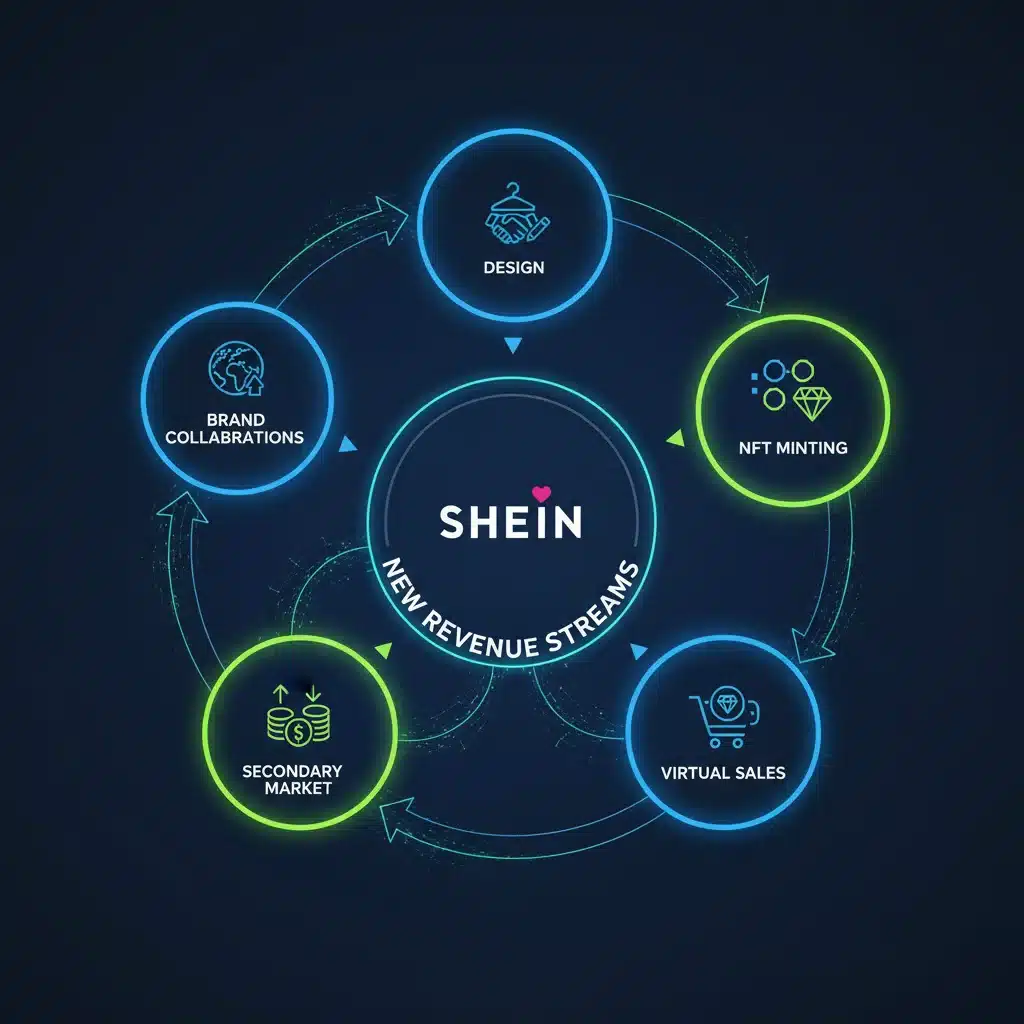
SHEIN’s entry into the metaverse marketplace is not just about brand presence; it’s a calculated move to open up entirely new, significant revenue streams. The value proposition is immense, with projections for the digital fashion market reaching billions of dollars in the coming years. SHEIN, with its global reach and massive customer base, is perfectly positioned to capture a substantial share of this market.
One primary revenue stream will come from the direct sale of digital fashion assets. Consumers will be able to purchase unique virtual garments, collections, and accessories directly from SHEIN’s metaverse store or integrated platforms. These sales can be conducted using traditional fiat currency or, more likely, cryptocurrency, further diversifying SHEIN’s payment options and appealing to a broader, tech-savvy audience. The high-profit margins associated with digital goods – due to the absence of manufacturing, shipping, and inventory costs – make this an incredibly attractive proposition.
Beyond direct sales, secondary market transactions represent another lucrative avenue. When digital fashion assets are tokenized as NFTs, they can be resold by owners on blockchain-based marketplaces. SHEIN can implement royalty fees on these secondary sales, ensuring a continuous stream of revenue long after the initial purchase. This creates a circular economy where the brand benefits from the ongoing desirability and perceived value of its digital creations. The scarcity and exclusivity of certain digital drops could drive up their value on secondary markets, further benefiting SHEIN through these royalties.
Subscription Models and Experiential Monetization
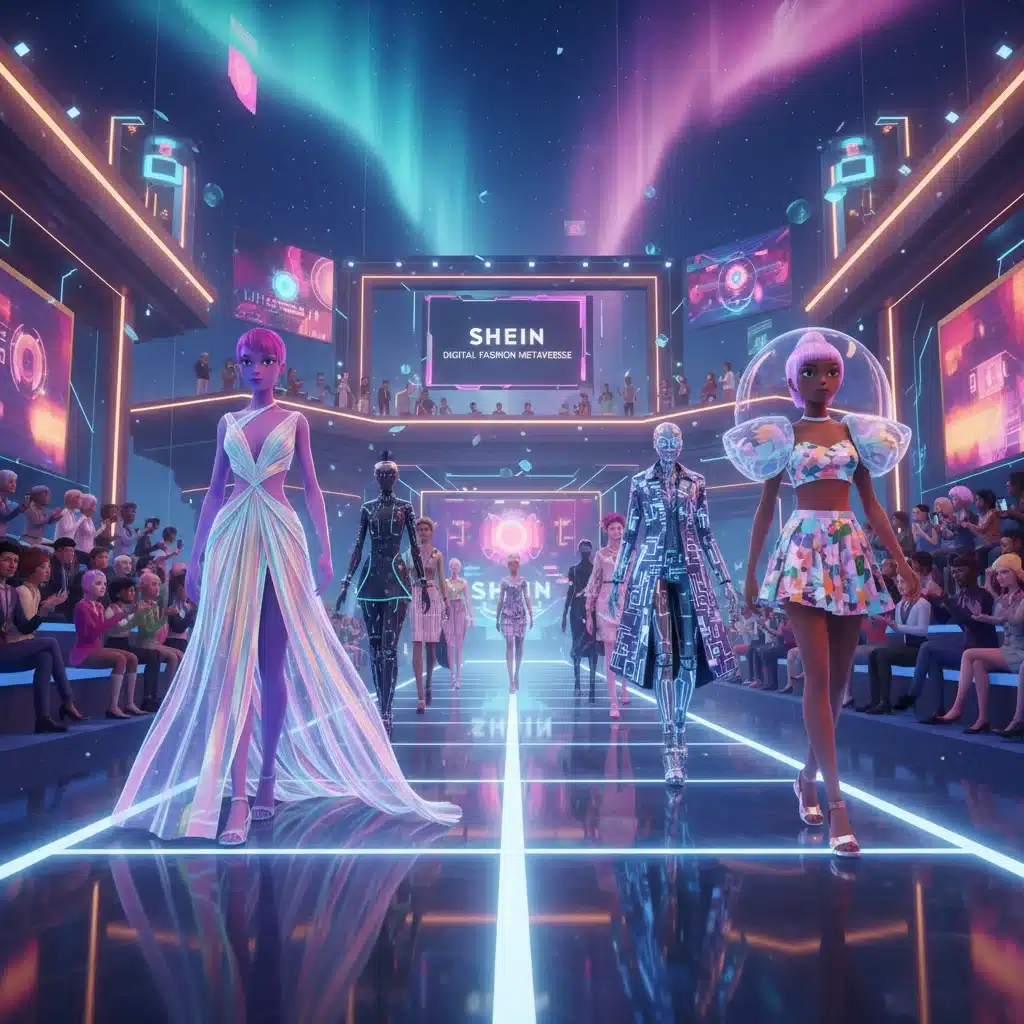
The metaverse also allows for innovative monetization strategies beyond one-off sales. SHEIN could introduce subscription models for digital fashion, offering members exclusive access to new collections, early releases, or customizable virtual wardrobes. Imagine a ‘SHEIN Metaverse VIP Pass’ that grants subscribers a certain number of new digital outfits each month, along with access to exclusive virtual events or fashion shows. This recurring revenue model would provide stability and foster deeper engagement with the brand.
Experiential monetization is another powerful tool. SHEIN could host virtual fashion shows, concerts, or interactive events within the metaverse, selling tickets or premium access. These events could feature collaborations with digital artists, musicians, or other metaverse brands, creating unique experiences that generate revenue while simultaneously promoting SHEIN Metaverse Fashion assets. For example, a virtual SHEIN fashion week could attract millions of global attendees, each a potential customer for digital garments seen on the virtual runway.
Furthermore, partnerships and collaborations within the metaverse offer significant potential. SHEIN could collaborate with popular metaverse platforms, gaming companies, or other digital brands to create co-branded digital fashion lines or integrate its assets into existing virtual worlds. Revenue from these partnerships could come from licensing fees, revenue sharing agreements, or joint ventures. For instance, a SHEIN-designed outfit could be a rare drop in a popular metaverse game, driving both sales and brand awareness.
The Strategic Imperatives: Building a Robust Metaverse Presence
For SHEIN’s metaverse venture to be successful, several strategic imperatives must be addressed. First and foremost is the development of a compelling and intuitive user experience. The metaverse platform, whether built by SHEIN or integrated into existing ones, must be easy to navigate, visually appealing, and offer seamless interaction with digital fashion assets. The process of purchasing, wearing, and showcasing digital garments needs to be as smooth and enjoyable as possible to encourage widespread adoption.
Another crucial aspect is community building. The metaverse thrives on social interaction and shared experiences. SHEIN must foster a vibrant community around its digital fashion offerings, encouraging users to create, share, and engage with the brand and each other. This could involve hosting design contests, virtual styling challenges, or user-generated content initiatives that empower the community to be part of the creative process. A strong community not only drives engagement but also acts as a powerful marketing tool through word-of-mouth and social sharing.
Interoperability is also key. For digital fashion assets to truly flourish, they need to be usable across multiple metaverse platforms. While full interoperability is still a developing standard, SHEIN should prioritize creating assets that can be easily adapted or transferred between different virtual worlds. This enhances the value proposition for consumers, as their digital purchases are not locked into a single ecosystem, thereby increasing the utility and perceived worth of SHEIN Metaverse Fashion items.
Technological Infrastructure and Talent Acquisition
Building a robust metaverse presence requires significant investment in technological infrastructure. This includes developing or licensing advanced 3D rendering engines, blockchain integration for NFT creation and management, and secure payment gateways for both fiat and cryptocurrency transactions. SHEIN will need to invest in scalable cloud infrastructure to support a large number of concurrent users and complex virtual environments.
Talent acquisition will also be critical. The metaverse space demands a specialized skill set, including 3D artists, blockchain developers, UX/UI designers for virtual environments, and community managers experienced in online communities. SHEIN may need to either train existing staff or actively recruit new talent with expertise in Web3 technologies and metaverse development. Collaborating with specialized metaverse development studios or agencies could also accelerate their entry and ensure a high-quality initial offering.
The Impact on the Broader Fashion Landscape
SHEIN’s aggressive move into the metaverse marketplace is not just significant for the company itself but will send ripples throughout the broader fashion industry. As one of the largest and most influential fast-fashion retailers, its embrace of digital fashion assets will undoubtedly accelerate the adoption of metaverse strategies by other brands, both fast-fashion and luxury. This could lead to a rapid expansion of the digital fashion market, fostering innovation and competition.
The success of SHEIN Metaverse Fashion could also influence consumer expectations. As more people become accustomed to purchasing and wearing digital clothing, the demand for virtual fashion will likely grow, pushing brands to integrate digital offerings into their core strategies. This could lead to a future where physical and digital wardrobes coexist, with consumers curating their identities in both realms.
Furthermore, this shift could create new opportunities for designers, creators, and entrepreneurs in the digital space. The metaverse lowers the barrier to entry for fashion design, allowing independent artists to create and sell digital garments without the overheads of physical production. SHEIN, with its platform model, could even leverage this by collaborating with or incubating emerging digital fashion talent, further expanding its creative ecosystem.
Challenges and Considerations for SHEIN
While the opportunities are vast, SHEIN’s metaverse journey will not be without its challenges. Technical hurdles, such as ensuring seamless integration across diverse metaverse platforms and managing blockchain complexities, will need careful navigation. Security concerns, including protecting digital assets from theft and ensuring secure transactions, will also be paramount. The nascent nature of the metaverse means that standards and best practices are still evolving, requiring SHEIN to be adaptable and innovative.
Consumer adoption is another key consideration. While younger generations are receptive to virtual goods, widespread adoption across all demographics will require education and compelling value propositions. SHEIN will need to effectively communicate the benefits of digital fashion and make the experience accessible to a broad audience, not just tech enthusiasts. Overcoming potential skepticism and building trust in the ownership and value of digital assets will be crucial.
Ethical considerations, particularly around sustainability and labor practices in the physical world, will also remain relevant. While digital fashion offers environmental benefits, SHEIN will need to ensure its metaverse strategy complements, rather than distracts from, ongoing efforts to improve its physical supply chain and address criticisms related to its fast-fashion model. A holistic approach to corporate responsibility will be essential for long-term success and positive brand perception.
The Future is Digital: SHEIN’s Vision for 2026 and Beyond
SHEIN’s plan to launch its metaverse marketplace by 2026 marks a pivotal moment in the evolution of both the company and the fashion industry. By embracing digital fashion assets, SHEIN is not just adapting to future trends; it is actively shaping them. This strategic pivot promises to unlock multi-million dollar revenue streams, diversify its business model, and deepen engagement with its global customer base.
The implications of SHEIN Metaverse Fashion are far-reaching. It signifies a future where fashion is not confined to physical fabrics but extends into the infinite possibilities of the digital realm. It represents a new frontier for creativity, commerce, and community. As SHEIN embarks on this exciting journey, the world will be watching to see how this fast-fashion powerhouse translates its real-world success into the metaverse, setting new benchmarks for innovation and profitability in the digital age.
The integration of virtual fashion into everyday consumer habits is no longer a question of ‘if’ but ‘when’. With SHEIN’s considerable resources, market influence, and agile approach, its entry into the metaverse marketplace is poised to accelerate this transition, making digital fashion assets a mainstream reality for millions worldwide. The year 2026 will not just be another year for SHEIN; it will be the year it cemented its legacy as a pioneer in the metaverse economy, unlocking a future where fashion knows no bounds.