Virtual Influencers: Revolutionizing Fashion Marketing & Consumer Behavior
Anúncios
Virtual influencers, AI-generated models, are reshaping the fashion industry by offering brands unique marketing opportunities and influencing consumer behavior through personalized, engaging content.
Anúncios
The fashion industry is constantly evolving, and the emergence of virtual influencers: the impact of AI-generated models on fashion marketing and consumer behavior marks a significant shift in how brands connect with consumers. These digital personas are not just a fleeting trend but a powerful force reshaping marketing strategies and consumer engagement.
The Rise of Virtual Influencers in Fashion
Virtual influencers are computer-generated characters that have gained popularity on social media platforms. Unlike traditional influencers, they are entirely digital creations, offering brands a unique way to engage with audiences.
Anúncios
Their rise can be attributed to several factors, including advancements in AI and CGI technology, the increasing demand for diverse and inclusive representation, and the desire for greater control over brand messaging.

What are Virtual Influencers?
Virtual influencers are digital characters created using computer graphics software. They possess distinct personalities, styles, and backstories. They interact with followers, promote products, and even participate in virtual events, blurring the lines between reality and fiction.
These AI-driven personalities are designed to mimic human influencers, often indistinguishable from real people in their appearance and behavior. They offer businesses an innovative approach to marketing, providing unparalleled control over branding and messaging.
Why Are They Becoming So Popular?
The popularity of virtual influencers stems from their ability to engage audiences in unique ways. They offer a fresh perspective, unburdened by the controversies often associated with human influencers. Their digital nature allows for seamless integration into various marketing campaigns, providing a consistent brand image.
- Cost-Effectiveness: Eliminates costs associated with travel, location, and human error.
- Brand Control: Offers complete control over messaging, look, and ethical alignment.
- 24/7 Availability: Capable of continuous content creation and engagement.
Virtual influencers have also become popular due to their ability to adapt to different cultural contexts and represent diverse communities. This inclusivity resonates with consumers who seek authenticity and representation in the brands they support.
The rise of virtual influencers in fashion illustrates a blend of technology, marketing, and cultural relevance. Their increasing presence is influencing marketing strategies and consumer behavior.
The Benefits of Using AI-Generated Models
AI-generated models offer several significant advantages for fashion brands looking to enhance their marketing efforts. These benefits range from cost savings and creative freedom to increased engagement and brand loyalty.
By leveraging virtual influencers, fashion companies can streamline their marketing processes and create impactful campaigns tailored to specific audiences.
- Cost Reduction: No need for travel, accommodations, or lengthy photoshoots.
- Creative Control: Complete control over the influencer’s image, messaging, and partnerships.
- Data-Driven Insights: AI technologies provide detailed analytics on campaign performance.
Enhanced Brand Messaging
AI-generated models allow fashion brands to craft consistent and controlled brand messages. Unlike human influencers, virtual influencers won’t deviate from the brand’s core values or engage in controversies that could damage its reputation.
This consistent brand messaging strengthens brand identity and helps create a clear and compelling narrative that resonates with consumers.
Increased Engagement and Interaction
Virtual influencers can engage with audiences 24/7, responding to comments, participating in conversations, and creating personalized content. This constant interaction fosters a sense of community and loyalty among followers.
Their ability to create interactive experiences, such as virtual fashion shows or personalized styling sessions, further enhances engagement and boosts brand visibility.
The utilization of AI-generated models offers many benefits for fashion brands. These models reduce financial burdens, provide unparalleled creative rein, and strengthen brand messaging, resulting in increased engagement.
Consumer Perception of Virtual Influencers
Consumer perception of virtual influencers is a complex interplay of fascination, skepticism, and acceptance. Understanding how consumers perceive these AI-generated models is crucial for brands looking to incorporate them into their marketing strategies.
While some consumers embrace virtual influencers as innovative and engaging, others express concerns about authenticity and transparency.
Trust and Authenticity
One of the main challenges for virtual influencers is building trust and authenticity with their audience. Consumers may be skeptical of digital characters promoting products or services, especially if they perceive them as inauthentic or disingenuous.
To overcome this challenge, brands must focus on creating virtual influencers with relatable personalities, compelling backstories, and genuine interactions with their followers.
Emotional Connection
Despite being AI-generated, virtual influencers can evoke emotional connections with consumers. Their carefully crafted personas and engaging content can resonate with audiences on a personal level, fostering a sense of loyalty and advocacy.
Brands can strengthen this emotional connection by aligning virtual influencers with causes or values that resonate with their target audience, creating a sense of shared identity and purpose.
Consumer perception of virtual influencers involves a blend of skepticism and acceptance. For brands, cultivating trust and authenticity and fostering emotional connections are crucial to winning consumer over.
Ethical Considerations and Transparency
As virtual influencers become more integrated into the fashion industry, it is essential to consider the ethical implications of using AI-generated models. Transparency, disclosure, and responsible representation are crucial for maintaining consumer trust and avoiding potential pitfalls.
Brands must be upfront about the nature of their virtual influencers and ensure that they are not misleading or deceptive in their marketing practices.
Disclosure of AI-Generated Content
Transparency is key when it comes to virtual influencers. Brands should clearly disclose that their influencers are AI-generated and not real people. This disclosure helps manage consumer expectations and avoid misleading them.
Clear labeling practices prevent misconceptions and build trust with consumers, fostering a more positive relationship between brands and their audience.
Avoiding Misrepresentation and Harmful Stereotypes
Brands must be vigilant in avoiding misrepresentation and harmful stereotypes when creating virtual influencers. They should ensure that their digital models reflect diverse communities and avoid perpetuating negative portrayals.
Ethical considerations extend to the influencer’s messaging, which should promote inclusivity, body positivity, and responsible consumption.
Ethical considerations are of utmost importance in the virtual influencer setting. Transparency and avoiding misrepresentation are crucial to maintaining consumer trust and safeguarding reputations.
The Future of Fashion Marketing with AI
The future of fashion marketing is intertwined with AI, particularly as virtual influencers evolve and become more sophisticated. These digital models offer opportunities to revolutionize consumer experience and brand strategies.
As AI continues to advance, they may play an even more significant role in shaping consumer preferences and driving sales.
Personalized Shopping Experiences
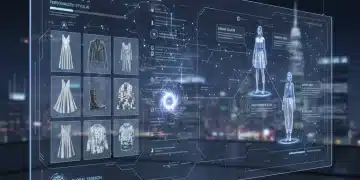
Virtual influencers can enhance personalized shopping experiences by providing tailored recommendations, virtual try-on options, and customized styling advice. AI algorithms can analyze consumer data to create personalized interactions that resonate with each individual.
These personalized experiences boost consumer satisfaction and loyalty, driving long-term growth for fashion brands.
Virtual Fashion Shows and Events
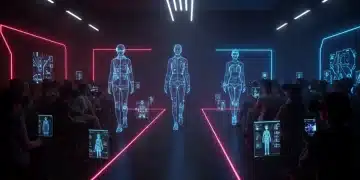
Virtual influencers can headline virtual fashion shows and events, creating immersive and interactive experiences for viewers. Whether live-streamed performances or augmented reality presentations, virtual events offer engagement and inclusivity.
These virtual events push creativity and marketing through a unique presentation.
AI has the potential to shape the future of fashion marketing. AI may very well create personalized shopping experiences, host virtual events and streamline brand marketing. With continued growth, AI will play an increasingly important role.
Case Studies of Successful Virtual Influencers
Several virtual influencers have already made a significant impact in the fashion industry, demonstrating the potential of AI-generated models to drive brand awareness, engagement, and revenue. Exploring case studies offers valuable insights into how brands can effectively leverage virtual influencers.
These examples shed light on trends, best practices, as well as tactics for achieving successful outcomes.
Lil Miquela
Lil Miquela, one of the most well-known virtual influencers, has collaborated with brands like Prada, Dior, and Calvin Klein. Her realistic appearance and engaging content have amassed a large following, making her a valuable asset to fashion brands.
Her success underscores the impact, potential and possibilities from successful marketing.
Shudu Gram
Shudu Gram is the world’s first digital supermodel, created by British photographer Cameron-James Wilson. Her striking beauty and unique style have garnered attention from fashion magazines and brands alike, paving the way for greater diversity in the industry.
Shudu reflects inclusivity and influence and highlights digital innovation in shaping the perception of diversity.
Virtual influencers have demonstrated impressive impacts in the fashion industry. Collaborations and successful marketing efforts allow AI marketing to grow in influence.
| Key Aspect | Brief Description |
|---|---|
| 🤖 Virtual Influencers | AI-generated models revolutionizing fashion marketing and consumer engagement. |
| ✅ Benefits | Cost savings, creative control, and enhanced brand messaging. |
| 🤝 Consumer Perception | Trust and authenticity are crucial for consumer acceptance. |
| 💡 Future | AI can personalize shopping experiences and host virtual events. |
Frequently Asked Questions
Virtual influencers are computer-generated characters that have gained popularity on social media. They are AI-based models that brands use to interact with consumers and promote products.
Virtual influencers offer opportunities to engage with audience in new way. Virtual influencers are often unburdened of controversies, and provide marketing benefits to help improve brand marketing strategies.
Transparency, disclosure, and ethical representation are essential considerations. Brands must be upfront about using virtual influencers. It is also crucial that digital models reflect communities.
Building trust is essential for these AI generated models. Consumers are more likely to buy or support a brand if the virtual influencer is viewed as genuine and reliable.
Brands can leverage AI to personalize shopping, host virtual events, interact with customers and promote products online. AI can also generate personalized recommendations and help promote brand values.
Conclusion
The integration of virtual influencers and AI-generated models is transforming fashion marketing. They offer cost savings, enhanced creative control, and better engagement; however, brands must address ethical considerations and consumer perceptions to harness the full potential of these innovations.