Seasonal Fabrics Guide: Choosing Right Materials for Comfort & Style

Anúncios
The Ultimate Guide to Seasonal Fabrics provides insights into selecting the best materials for comfort and style in every season, ensuring your wardrobe is both fashionable and functional.
Anúncios
Navigating the world of fabrics can be overwhelming, especially when you want to ensure your clothing is comfortable and stylish throughout the year. This The Ultimate Guide to Seasonal Fabrics: Choosing the Right Materials for Comfort and Style will help you make informed decisions, ensuring you’re always dressed appropriately, no matter the season.
Understanding Seasonal Fabrics
Choosing the right fabrics for each season can drastically improve your comfort and style. Seasonal fabrics are materials specifically designed or best suited for particular weather conditions, offering breathability in summer and warmth in winter.
Anúncios
Understanding the properties of different fabrics helps you select garments that not only look good but also feel great, ensuring you remain comfortable and stylish year-round.
The Importance of Fabric Weight
Fabric weight plays a crucial role in determining how well a garment performs in different seasons. Lighter fabrics are ideal for warm weather, while heavier fabrics provide insulation during colder months.
- Lightweight Fabrics: Such as cotton voile and linen, these fabrics allow air to circulate, keeping you cool in hot weather.
- Medium-Weight Fabrics: Like chambray and twill, are versatile options suitable for transitional seasons like spring and fall.
- Heavyweight Fabrics: Wool, tweed, and corduroy provide significant warmth and are perfect for winter garments.
Paying attention to fabric weight ensures your clothing is appropriate for the temperature, enhancing both comfort and style.
In conclusion, fabric weight is a fundamental aspect of seasonal fabric selection, influencing comfort and overall garment performance.
Spring Fabrics: Light and Breathable
Spring calls for fabrics that are light, breathable, and versatile. As the weather transitions from cool to warm, you need materials that keep you comfortable and stylish.
Fabrics like cotton, linen, and chambray are excellent choices for spring, providing the perfect balance of comfort and style.
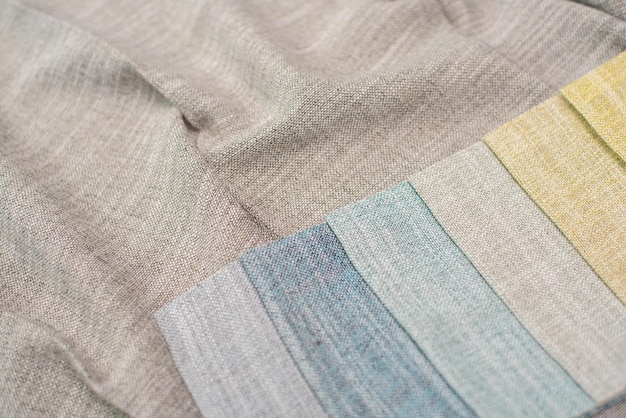
Top Spring Fabric Choices
Selecting the right fabrics for spring ensures that you stay comfortable and fashionable as the weather changes.
- Cotton: A versatile and affordable option that is breathable and easy to care for. Choose lightweight cotton like voile or lawn for warmer days.
- Linen: Known for its breathability and moisture-wicking properties, linen is perfect for warmer spring days. Its slightly wrinkled texture adds a touch of casual elegance.
- Chambray: A lightweight denim alternative that is both durable and comfortable. It’s a great option for shirts, dresses, and skirts.
Choosing these fabrics allows you to create a spring wardrobe that is both stylish and practical, keeping you comfortable throughout the season.
Ultimately, spring fabrics must provide comfort and style, allowing you to enjoy the season without overheating or feeling restricted.
Summer Fabrics: Staying Cool in the Heat
Summer demands fabrics that prioritize breathability and moisture-wicking. The goal is to stay cool and comfortable, even in the hottest weather.
Fabrics like linen, cotton, and rayon are ideal for summer, keeping you comfortable and stylish in the heat.
Choosing Summer Fabrics
Selecting the right summer fabrics can make a significant difference in how comfortable you feel during hot weather.
Consider the following options:
- Linen: Highly breathable and absorbent, linen is perfect for hot, humid days. It dries quickly and keeps you cool.
- Cotton: Lightweight cotton varieties like cotton voile and seersucker are excellent choices for summer clothing due to their breathability.
- Rayon: A semi-synthetic fabric made from natural materials, rayon is lightweight and drapes well, making it a comfortable option for summer dresses and tops.
Opting for these fabrics ensures you stay cool and comfortable throughout the summer months, without sacrificing style.
In summary, summer fabrics should be lightweight, breathable, and moisture-wicking to ensure maximum comfort and style during the hottest months.
Fall Fabrics: Embracing Warmth and Texture
Fall calls for fabrics that provide warmth and texture while reflecting the season’s rich colors and cozy atmosphere. Layering becomes essential, and the right fabrics can add depth and interest to your outfits.
Fabrics such as flannel, corduroy, and denim are ideal choices for fall, offering both warmth and style as the temperatures drop.
Key Fabric Choices for Fall
Choosing the right fabrics for fall ensures you stay warm and stylish as the weather cools down.
Consider the following:
- Flannel: Soft and warm, flannel is perfect for shirts, dresses, and skirts. Its brushed surface provides extra insulation.
- Corduroy: With its distinctive ridges, corduroy adds texture and warmth to fall outfits. It’s a great choice for pants, jackets, and skirts.
- Denim: A versatile and durable fabric that can be layered or worn on its own. Dark-wash denim is particularly suited for fall.
Incorporating these fabrics into your fall wardrobe allows you to create stylish and comfortable outfits that are appropriate for the cooler weather.
Overall, fabrics for fall should prioritize warmth, texture, and the ability to be layered for added comfort and style.
Winter Fabrics: Insulation Against the Cold
Winter demands fabrics that provide maximum warmth and insulation against the cold. Heavyweight materials are essential to protect you from freezing temperatures.
Fabrics like wool, fleece, and velvet are ideal for winter, offering both warmth and style when the weather is cold.
Top Winter Fabric Choices
Selecting the right winter fabrics ensures you stay warm and comfortable throughout the coldest months.
- Wool: A natural insulator that traps heat and wicks away moisture. Wool is available in various weights and textures, making it suitable for coats, sweaters, and trousers.
- Fleece: Soft and warm, fleece is a great option for layering. It’s lightweight and provides excellent insulation.
- Velvet: Adds a touch of luxury and warmth to winter outfits. Velvet is perfect for dresses, skirts, and jackets.
Choosing these fabrics helps you create a winter wardrobe that is both functional and stylish, keeping you warm and fashionable.
In conclusion, winter fabrics should prioritize insulation and warmth to keep you comfortable and protected in cold weather conditions.
Caring for Seasonal Fabrics
Proper care is essential to maintain the quality and longevity of your seasonal fabrics. Different materials require different care techniques to ensure they remain in good condition.
Following specific care instructions for each fabric type will help you keep your garments looking their best for years to come.
Washing and Storage Tips
Taking the time to properly care for your seasonal fabrics will ensure they last longer and maintain their appearance.
Wash delicate fabrics like linen and rayon on a gentle cycle with cold water.
Use a mild detergent to avoid damaging the fibers.
Store seasonal clothing in a cool, dry place to prevent mildew and insect damage.
Dry heavier fabrics like wool and corduroy flat to prevent stretching.
Consider using garment bags to protect your clothing from dust and moths.
By following these simple care tips, you can extend the lifespan of your seasonal wardrobe and keep your favorite garments looking their best.
Overall, proper care and storage are essential for preserving the quality and longevity of your seasonal fabrics, ensuring they remain stylish and comfortable for years to come.
| Key Point | Brief Description |
|---|---|
| ☀️ Summer Fabrics | Prioritize breathability with linen and lightweight cotton. |
| 🍁 Fall Fabrics | Embrace warmth and texture with flannel and corduroy. |
| ❄️ Winter Fabrics | Insulate against the cold with wool and fleece. |
| 🌸 Spring Fabrics | Opt for light and breathable cotton and linen. |
Frequently Asked Questions
▼
Linen is often cited as the best fabric for hot weather due to its exceptional breathability and moisture-wicking properties. It keeps you cool and comfortable even in high humidity.
▼
Wool garments should be hand washed or dry cleaned to prevent shrinking. Always use cold water and a mild detergent, and lay flat to dry to maintain their shape.
▼
Cotton and chambray are excellent choices for spring because they are lightweight, breathable, and can be easily layered with other garments as the weather changes.
▼
Fabric weight determines how well a garment performs in different temperatures. Lighter fabrics are ideal for warm weather, while heavier fabrics provide warmth and insulation for colder months.
▼
Linen is highly breathable and absorbent, allowing air to circulate and keeping your body cool. Its natural fibers wick away moisture, making it perfect for hot and humid conditions.
Conclusion
Choosing the right seasonal fabrics can significantly enhance your comfort and style throughout the year. By understanding the properties of different materials and considering the unique demands of each season, you can create a wardrobe that is both functional and fashionable. From lightweight linen in the summer to cozy wool in the winter, the right fabrics can make all the difference.